Authors:
Historic Era: Era 3: Revolution and the New Nation (1754-1820s)
Historic Theme:
Subject:
Winter 2026 | Volume 71, Issue 1


Authors:
Historic Era: Era 3: Revolution and the New Nation (1754-1820s)
Historic Theme:
Subject:
Winter 2026 | Volume 71, Issue 1


The American patriots came up with a bold plan to force the British out of Boston 250 years ago this month.
Winter 2026 | Volume 71, Issue 1
Editor’s Note: Edward J. Larson is a professor at Pepperdine University and previously taught at the University of Georgia, Yale, and Stanford, among other universities. His many books include Summer for the Gods, winner of the 1998 Pulitzer Prize in History, and most recently Declaring Independence: Why 1776 Matters, in which portions of this essay appeared.
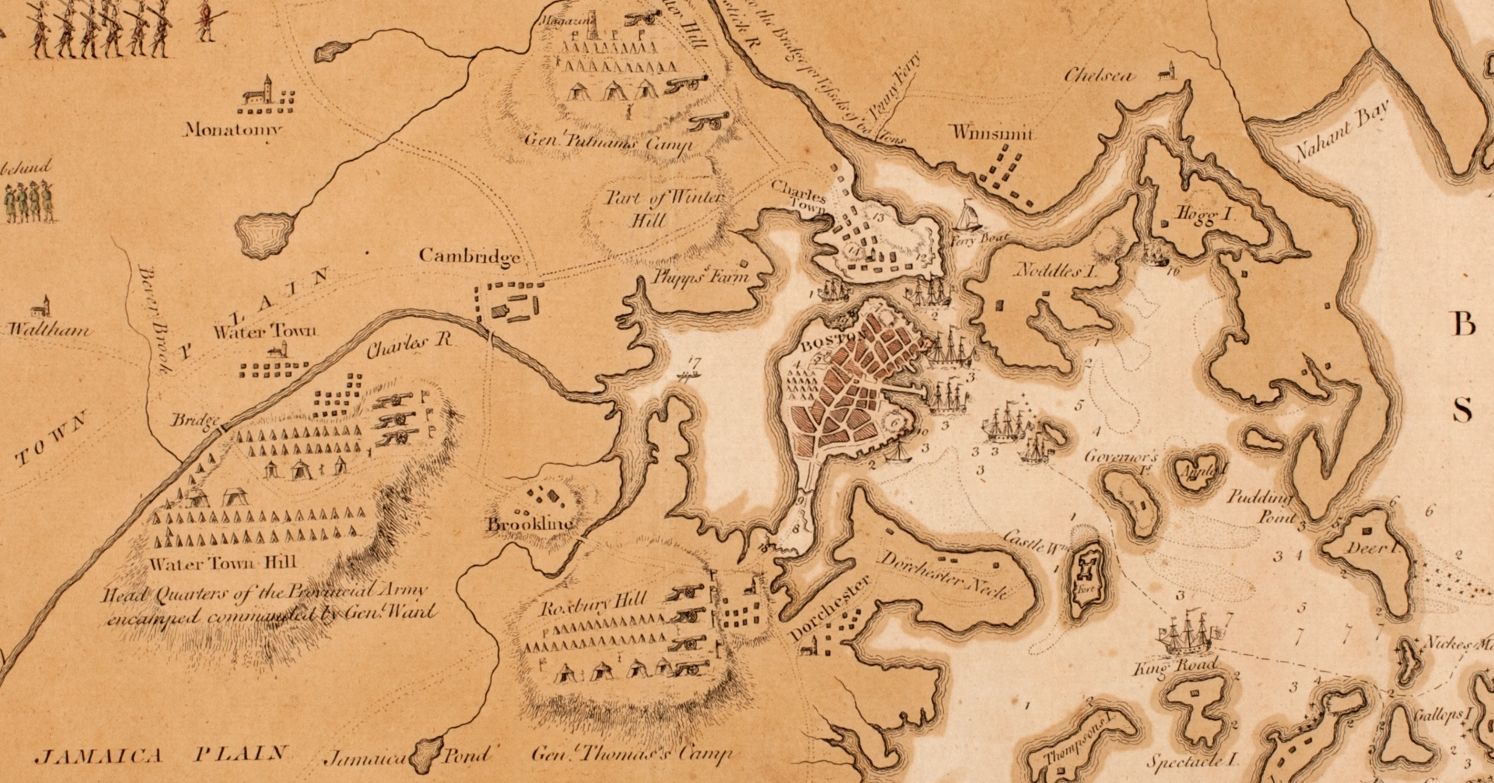
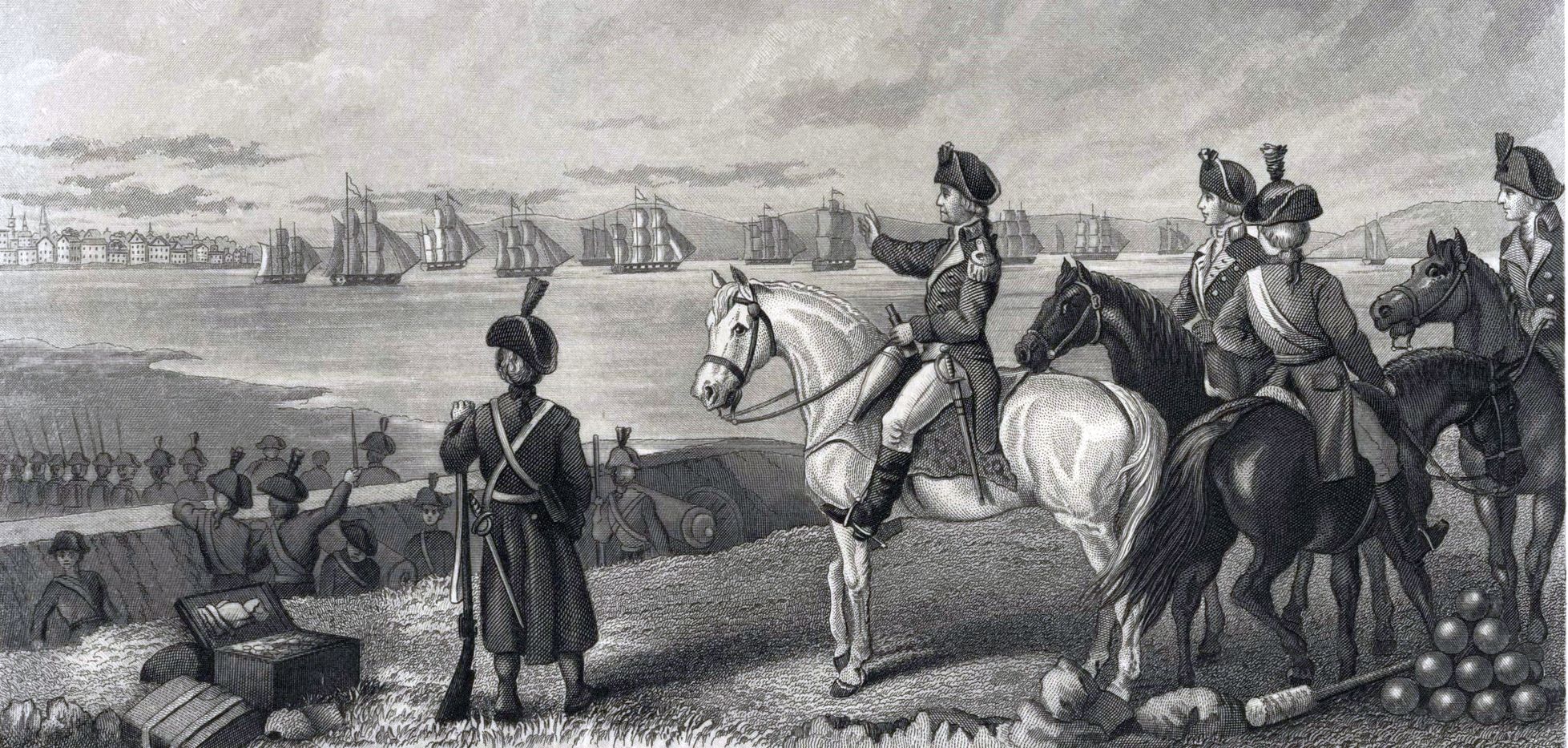
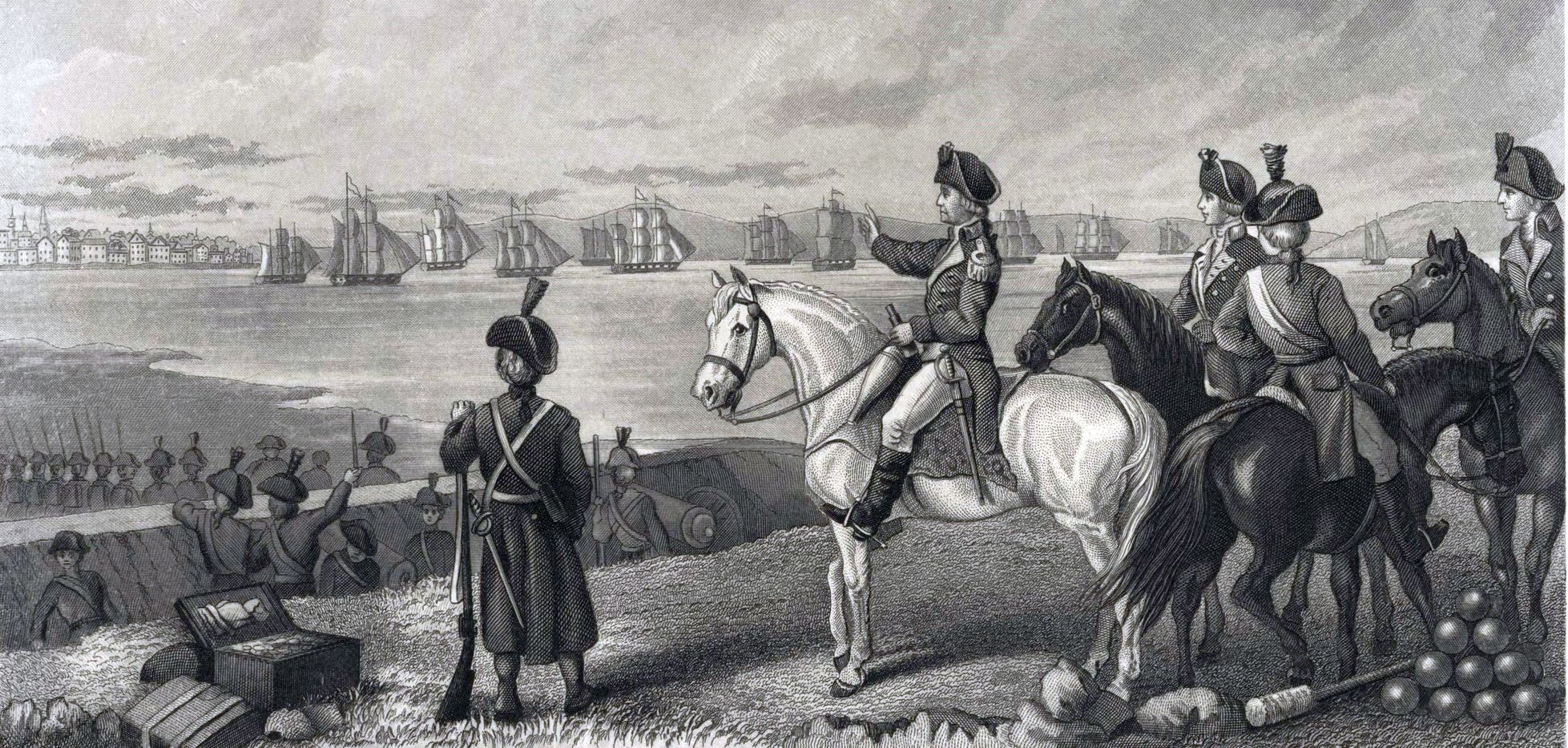
In their relatively comfortable winter quarters in Boston, the British were largely ignorant of George Washington’s audacious plan to force them out of Boston. On the other hand, patriot leaders alerted by informants always seemed to know precisely what the British would do before they did it, such as the prior April when the British marched on Concord to try to capture the patriot armory, or two months later when the British took the highlands around Bunker Hill.
At those critical junctures, by acting first, the patriots turned both efforts by the British into pyrrhic victories at best. “Another such would have ruined us,” one British general at the scene commented on his army’s “dear bought victory” at Bunker Hill. But confident in their might and dismissive of their foe, British leaders never seemed to attend in advance to patriot operations even when they should have foreseen them.
Changing military strategy and war aims also played roles in the unfolding drama. The British had first dispatched troops to Boston in 1768 to enforce the Townshend tariffs and added more troops in 1774 under the command of Thomas Gage to administer the Coercive Acts.
At the time, both sides saw the conflict as a dispute over colonial rights rather than a war for American independence. As the center of colonial resistance, Boston was the logical place to post British troops.
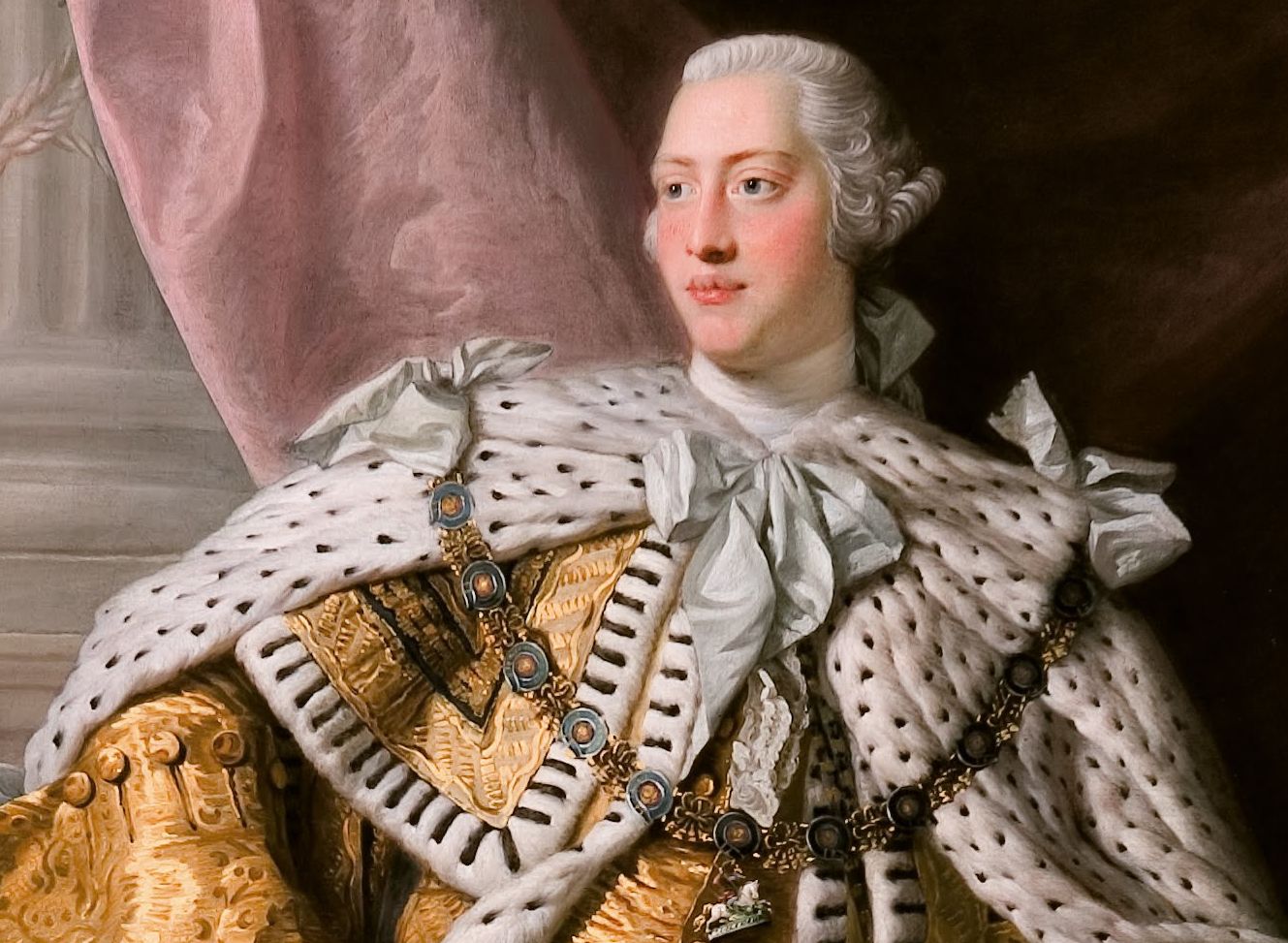
After the Battle of Bunker Hill in June 1775, however, the British began seeing the conflict differently. Even as patriot leaders in Congress and the colonies professed their loyalty to the Crown, King George in August proclaimed New England in “open and avowed rebellion,” and in a speech from the throne two months later he declared, “The rebellious war now levied is become more general and is manifestly carried on for the purpose of establishing an independent empire.”
For more, see Edward Larson's essay on "The Meaning of 1776"
how strategy for both sides changed that year
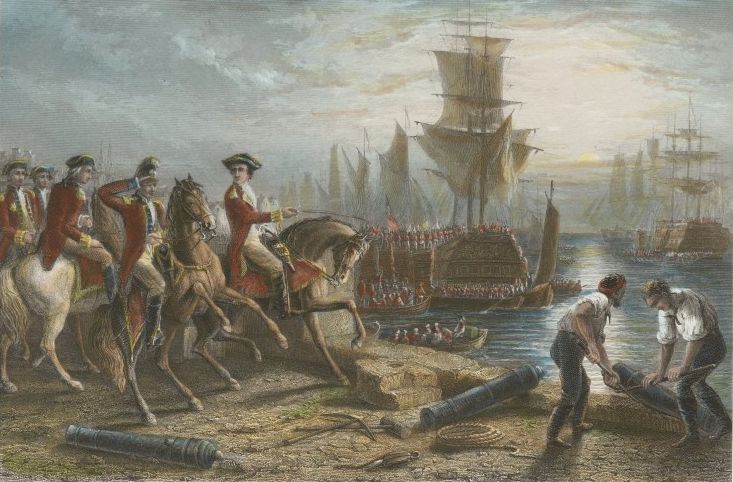
With these official pronouncements, Britain declared the conflict to be a war of independence nearly a year before the Americans did so. At this point, the ministry in London approved a request by their commander-in-chief Thomas Gage to transfer the center of British military operations from Boston to New York. Hemmed in by a large patriot force, the army served scant purpose in Boston once suppression replaced reconciliation as Britain’s war aim. With a larger harbor, more strategic