Authors:
Historic Era: Era 5: Civil War and Reconstruction (1850-1877)
Historic Theme:
Subject:
Spring 2026 | Volume 71, Issue 2


Authors:
Historic Era: Era 5: Civil War and Reconstruction (1850-1877)
Historic Theme:
Subject:
Spring 2026 | Volume 71, Issue 2


A Constitutional crisis erupted when President Lincoln authorized the Army to arrest suspicious persons without due process after Maryland rebels tried to cut off Washington.
Spring 2026 | Volume 71, Issue 2
Editor’s Note: Joseph Connor is a Contributing Editor for American Heritage, member of the Supreme Court bar, and former prosecutor at the Morris County (NJ) Prosecutor's Office. He handled many habeas corpus cases and came to realize how important a safeguard is that check against arbitrary detention. Mr. Connor earned a B.A. in History at Fairleigh Dickinson and a J.D. at Rutgers Law School.
In April 1861, Abraham Lincoln faced the most severe crisis an American president had ever confronted. Seven southern states had seceded from the Union and formed the Confederate States, and on April 12 they bombarded Fort Sumter, South Carolina. Three days later, Lincoln called for 75,000 volunteers to suppress the rebellion. The Union needed to rush troops to Washington, D.C., to defend the capital. Once Virginia left the Union on April 17, 1861, only the Potomac River stood between the seat of Federal government and rebel territory.
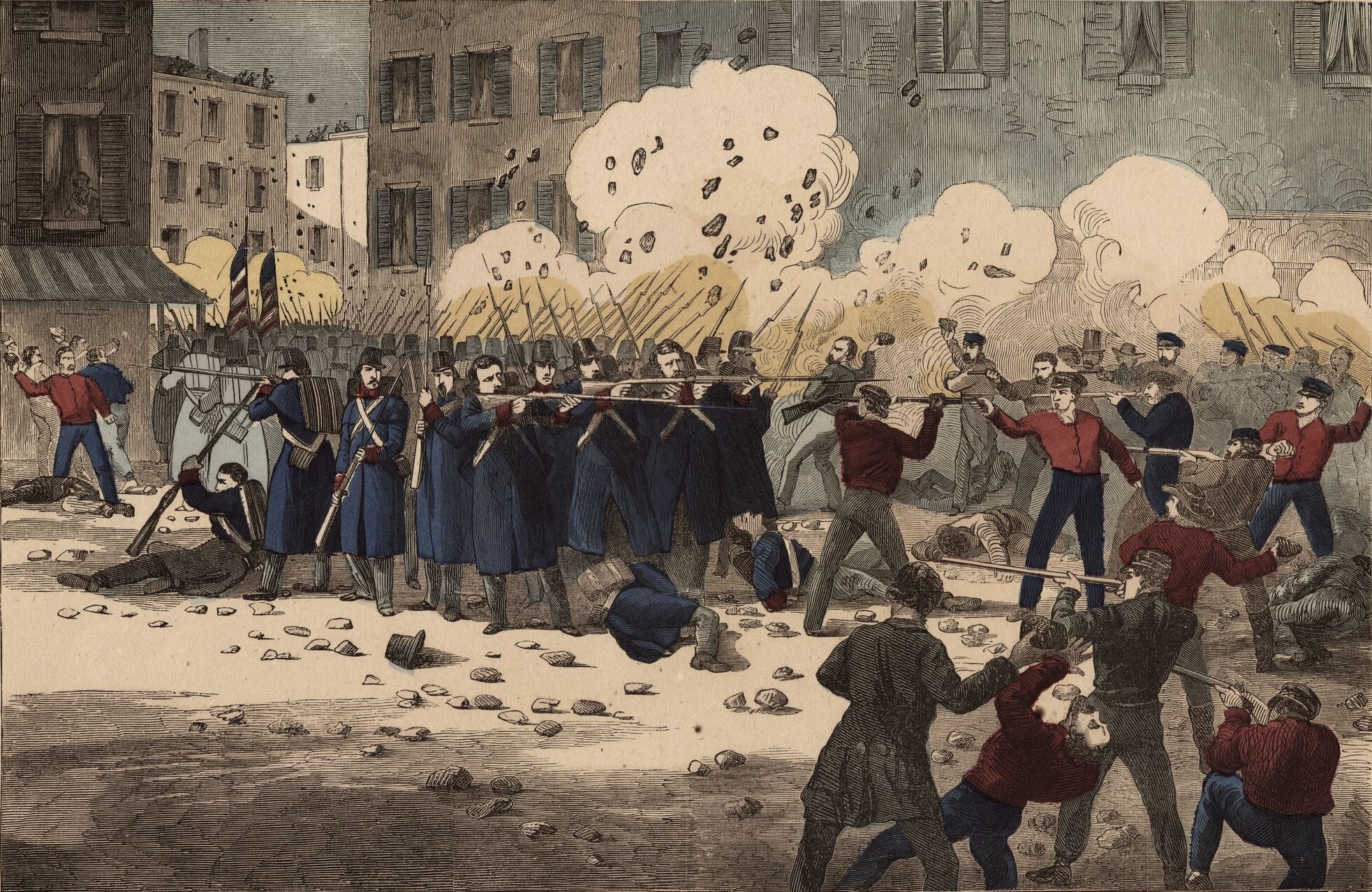
The most direct route to Washington was by rail through Baltimore, but Maryland was a slave state and hotbed of secessionist sentiment. When the Sixth Massachusetts Regiment passed through the city on April 19, 1861, an angry mob attacked, escalating from “yells, oaths, taunts” to “clubs, paving-stones, and other missiles” and then to gunfire, according to a chaplain who witnessed it.
By the end of the day, 16 soldiers and civilians lay dead. That night, as many as 500 insurgents, including members of the Maryland militia, burned several railroad bridges that Union troops needed to reach Washington. Saboteurs allegedly had the blessing of Maryland Governor Thomas H. Hicks and Baltimore Mayor George W. Brown.
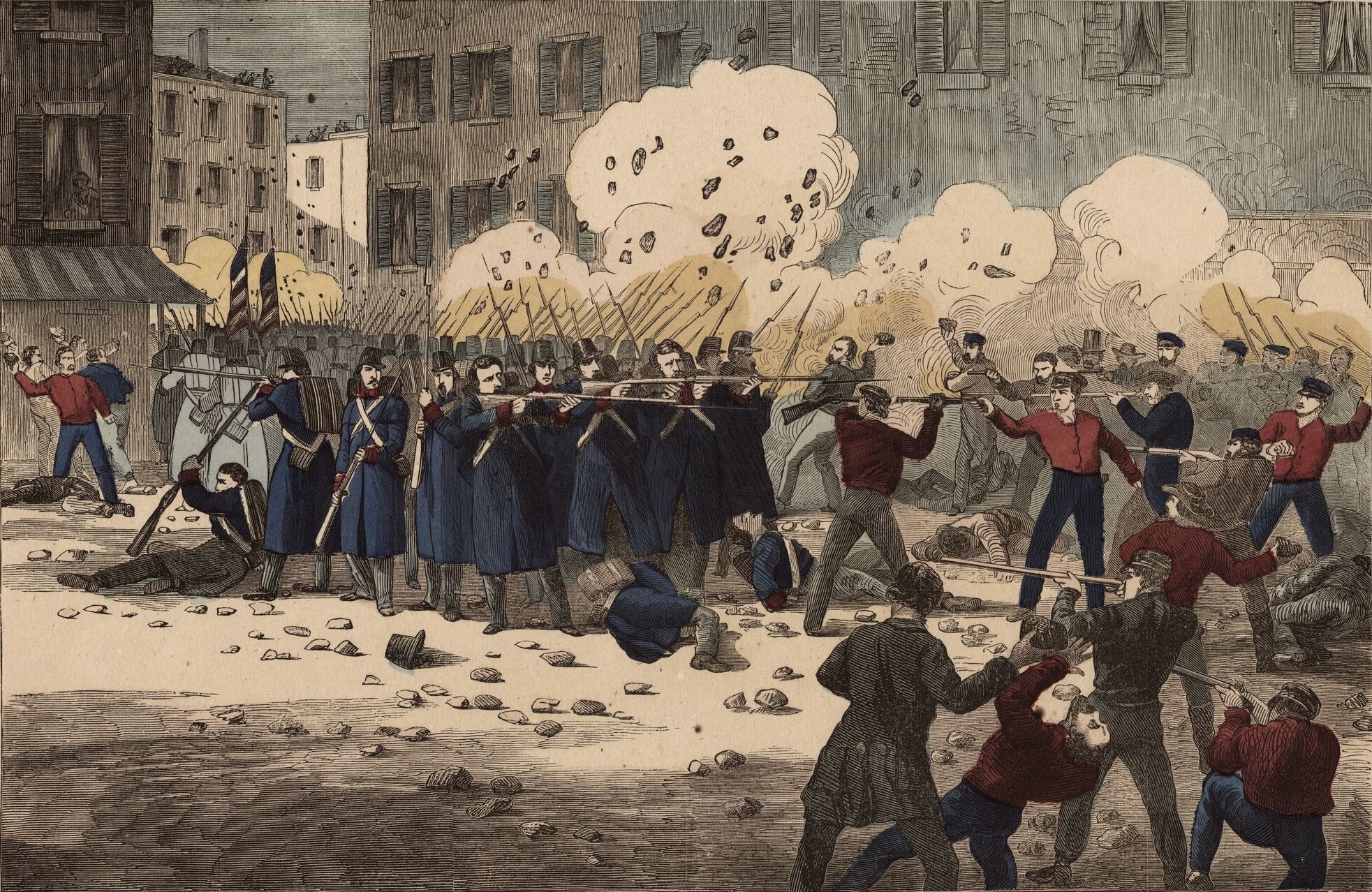
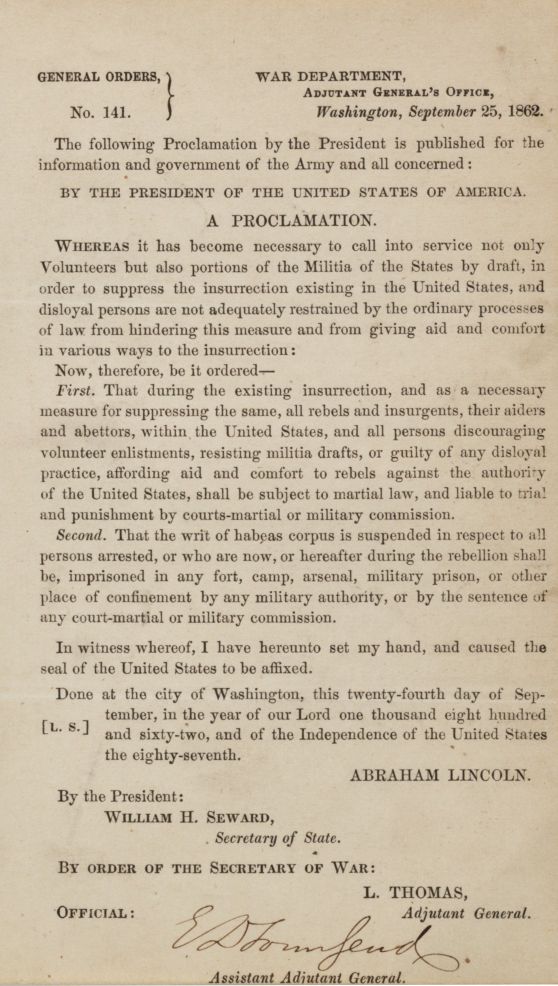
Lincoln responded forcefully. With Congress out of session, he had to act alone and on April 27 issued an executive order empowering the commander of the U.S. Army, Winfield Scott, to suspend the writ of habeas corpus when necessary to keep open the rail lines to Washington. This meant that Union soldiers could arrest suspected insurgents without legal process or just cause and imprison them indefinitely. If the suspension of habeas was valid, the courts would be powerless to intervene. It was the first time in the nation’s history that the federal government had suspended the writ and the only time, to date, a president has tried to do so without prior congressional authorization.
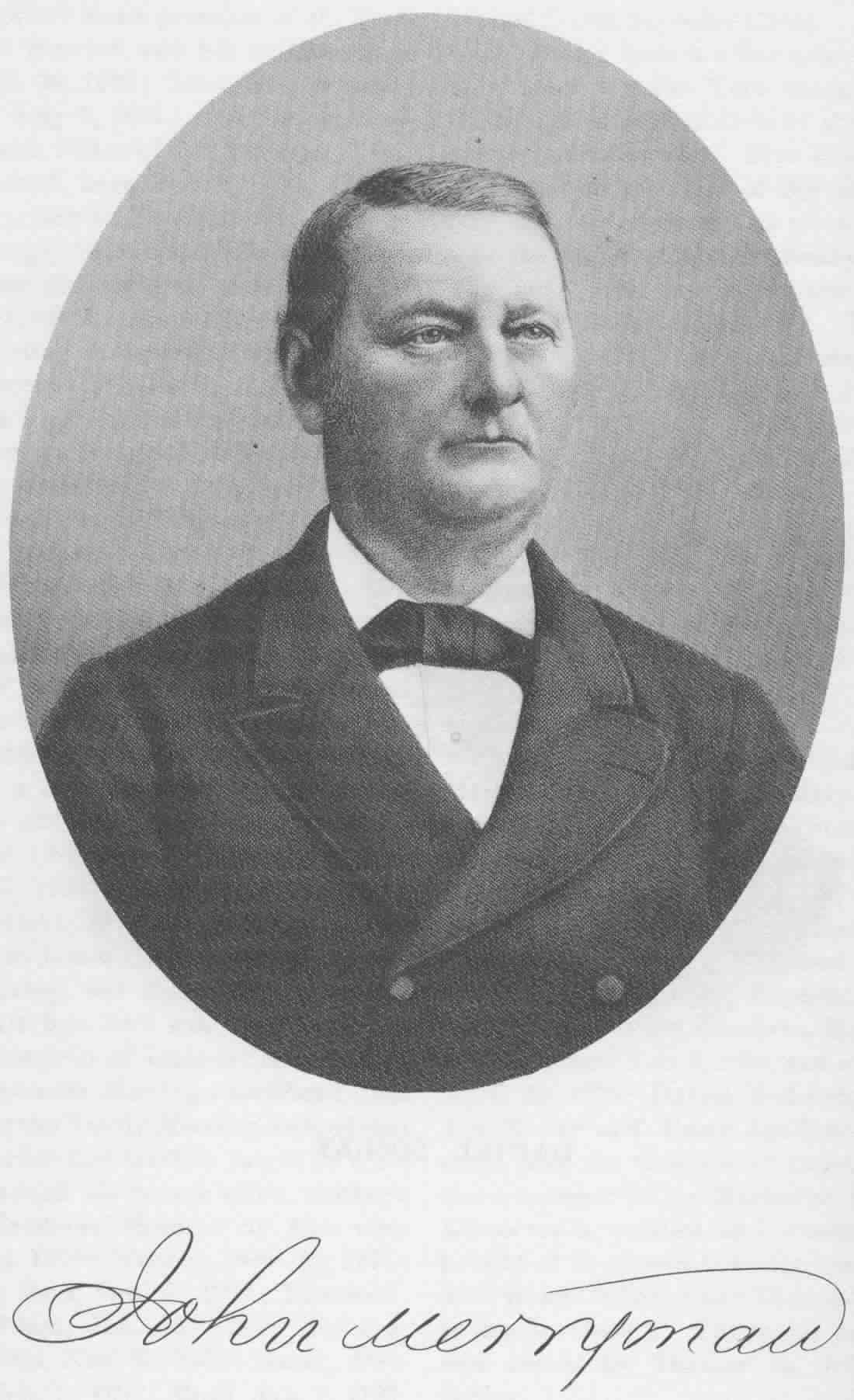
One of the first men arrested was 36-year-old John Merryman, a wealthy farmer and a member of a militia unit called the Baltimore County Horse Guard. Imprisoned in Baltimore’s Fort McHenry, Merryman