Authors:
Historic Era: Era 3: Revolution and the New Nation (1754-1820s)
Historic Theme:
Subject:
November/December 2026 | Volume 71, Issue 5


Authors:
Historic Era: Era 3: Revolution and the New Nation (1754-1820s)
Historic Theme:
Subject:
November/December 2026 | Volume 71, Issue 5


Danielle Allen's new biography of the Duke of Richmond is certainly exciting and provocative, yet its bold claims appear to rest on fragile foundations.
November/December 2026 | Volume 71, Issue 5
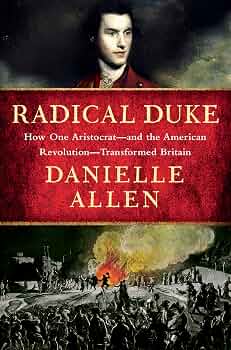
Eighteenth-century English dukes are unlikely subjects of provocative new biographies. We tend to picture them as crusty old farts relaxing in the libraries of their country estates, sipping port and nursing their gouty toes while the world around them goes up in flames. They might be keen observers of transformative events such as the American and French revolutions, but not active participants, and hardly deserving of our historical attention.
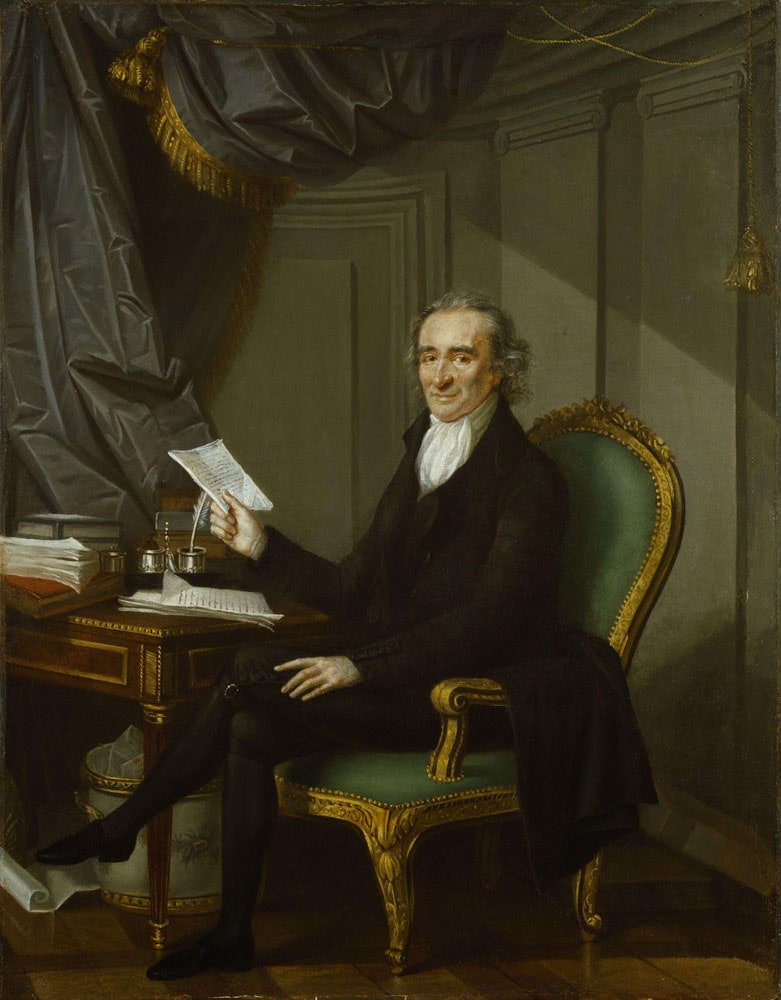
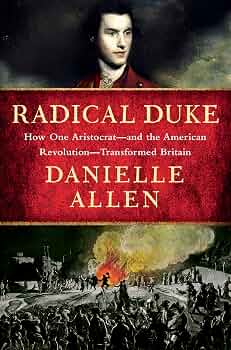
Danielle Allen begs to differ. Her ambitious book, Radical Duke: How One Aristocrat—and the American Revolution—Transformed Britain, tells the story of a remarkable outlier. Charles Lennox, the third Duke of Richmond, third Duke of Lennox, and Duke of Aubigny in the French nobility (1735–1806), emerges from her dramatic narrative as one of the most important and underappreciated persons in late 18th-century Britain. “Richmond was a defining figure of the revolutionary age,” Allen writes, as influential, in certain respects, as Thomas Paine, Edmund Burke, and King George III himself.
Among the startling claims that propel Radical Duke is that Richmond was the mastermind behind the Junius letters (1769-1772), a famous series of anonymous attacks on the British government, for which he recruited a dream team of gifted writers, including Paine, Burke, James Burgh, Philip Francis, and John Wilkes. Allen also maintains that Richmond collaborated with Paine and Benjamin Franklin on The Juryman’s Touchstone (1771), an obscure 95-page pamphlet that blasted Lord Mansfield for his handling of the seditious libel trial of Henry Woodfall, the publisher of the Junius letters.
If these claims are true, they place Richmond at the center of a group of radical thinkers and writers who shaped revolutions on both sides of the Atlantic. They also compel us to revise our understanding of Paine, who until now has been assumed to have met Franklin in London only shortly before his departure for America in September 1774, and to have published little of note before the appearance of Common Sense in January 1776. Allen seeks to upend these long-standing assumptions, along with the received wisdom that Richmond was a relatively minor and inconsequential historical figure. Against the grain, she contends that Paine, Franklin, Burke, and the rest were all part of “Richmond’s regiment,” a secretive cabal devoted to defending British liberties and advancing the Duke’s radical reforms, even if doing so brought his majesty’s government to its knees.
The main outlines of Richmond’s life are well-known to specialists in British political history. Born February 22, 1735 in London, he was the oldest surviving son of Charles Lennox, the second Duke of Richmond, and his wife, Sarah, the daughter of William Cadogan, the first Earl Cadogan. His lineage was exceptional because, like his father and grandfather, he descended directly from King Charles II (1630-1680) and his French mistress, Louise de Kéroualle—and therefore also from