Authors:
Historic Era:
Historic Theme:
Subject:
Fall 2026 | Volume 71, Issue 4


Authors:
Historic Era:
Historic Theme:
Subject:
Fall 2026 | Volume 71, Issue 4


Fort Ticonderoga's expansive collection of 18th-century artillery — the largest in the Western Hemisphere — tells a complicated American story.
Fall 2026 | Volume 71, Issue 4
Fort Ticonderoga is known as “America’s Fort” for good reason. Its capture from the British in May 1775 was the first major American offensive victory in the Revolutionary War. More importantly, the following winter, Col. Henry Knox’s men hauled 60 tons of the fort’s artillery 300 miles to Boston to drive out the enemy. Historians rightly give those cannons some of the credit for America’s independence.
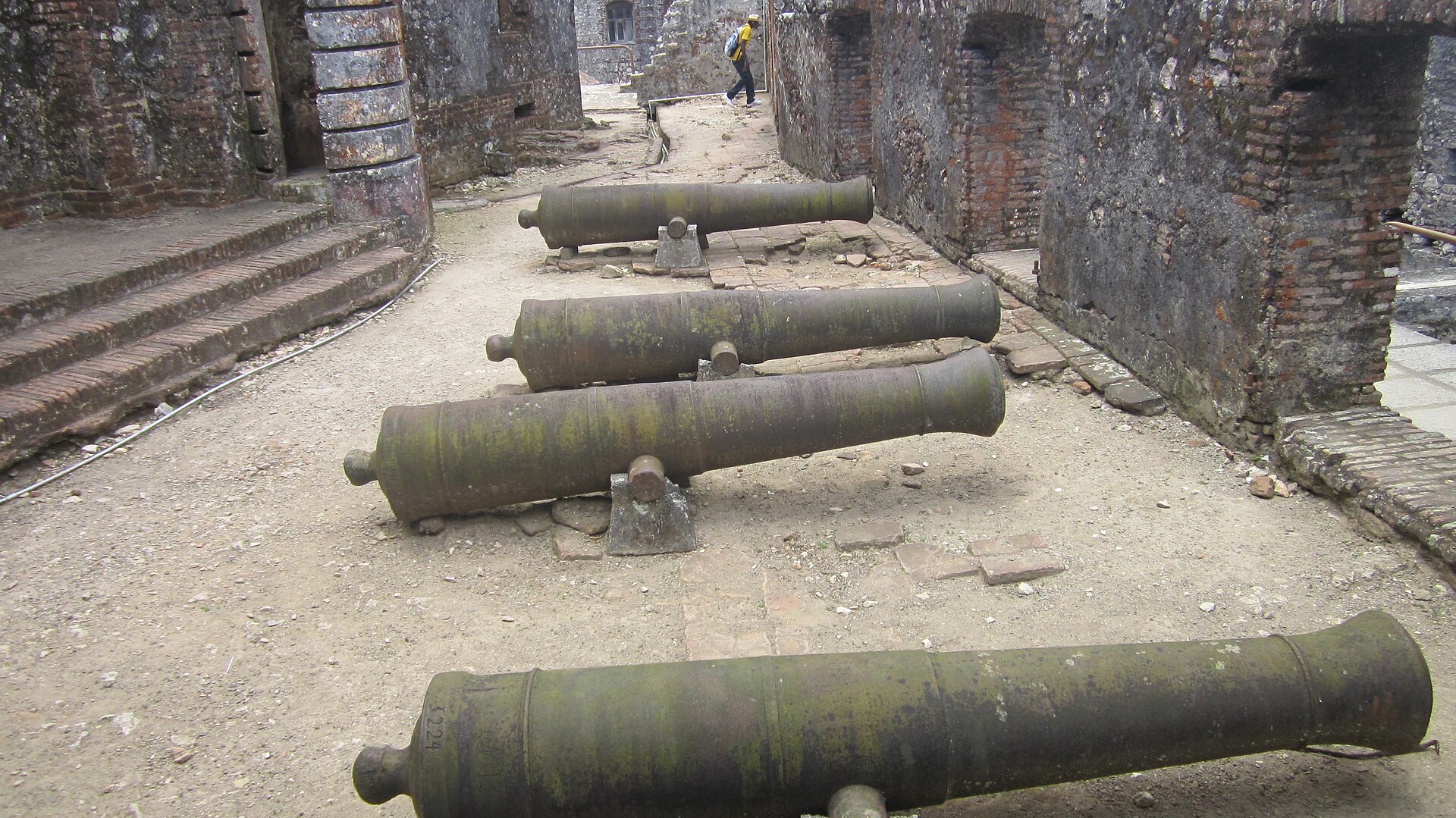
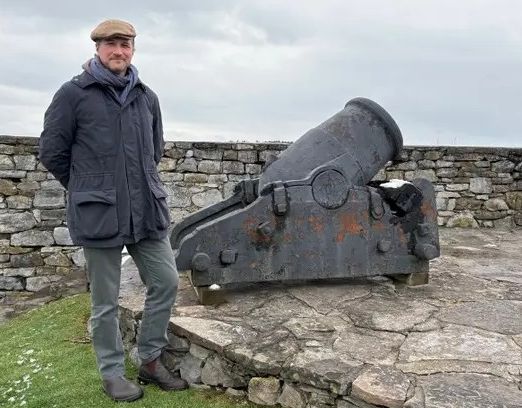
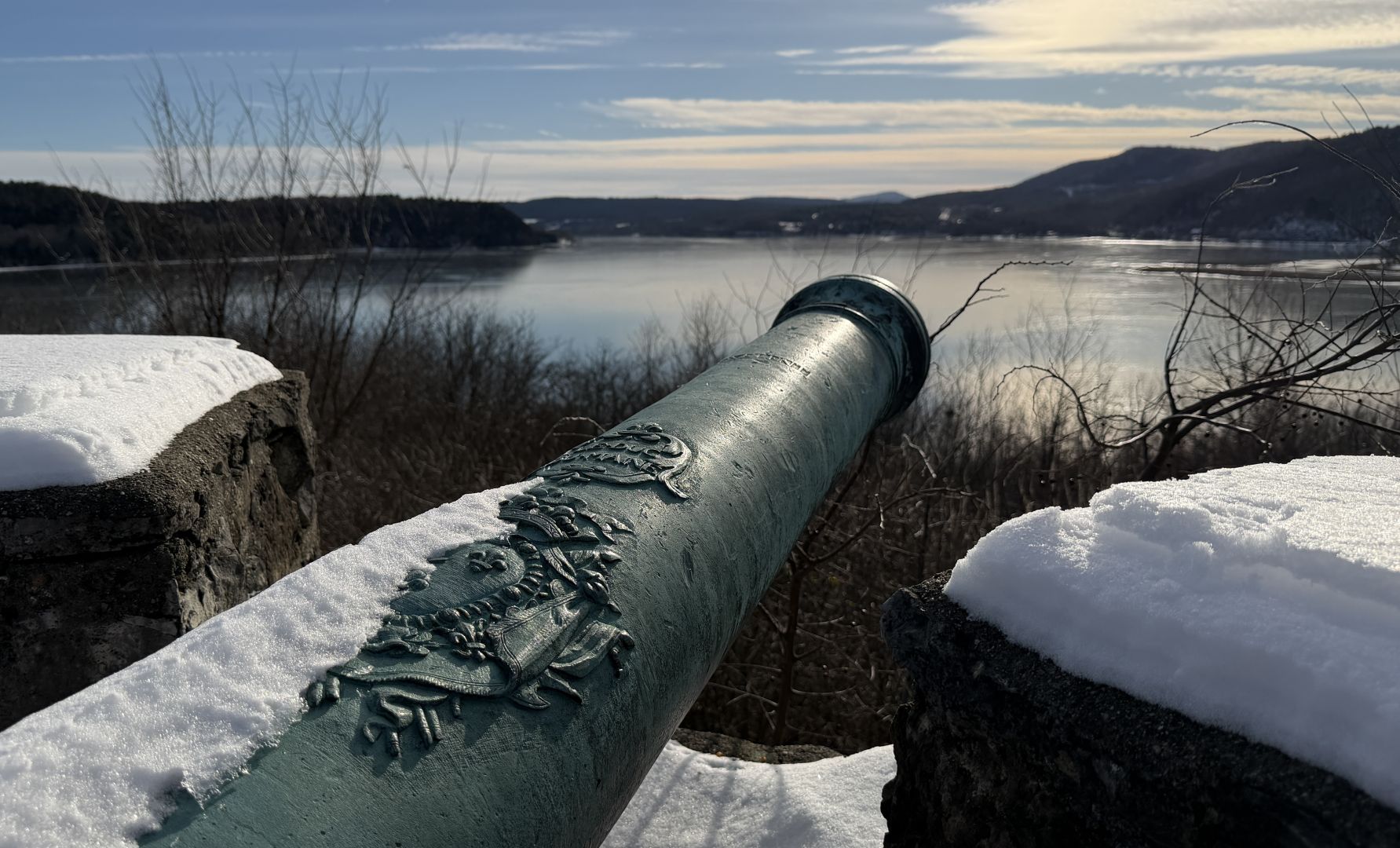
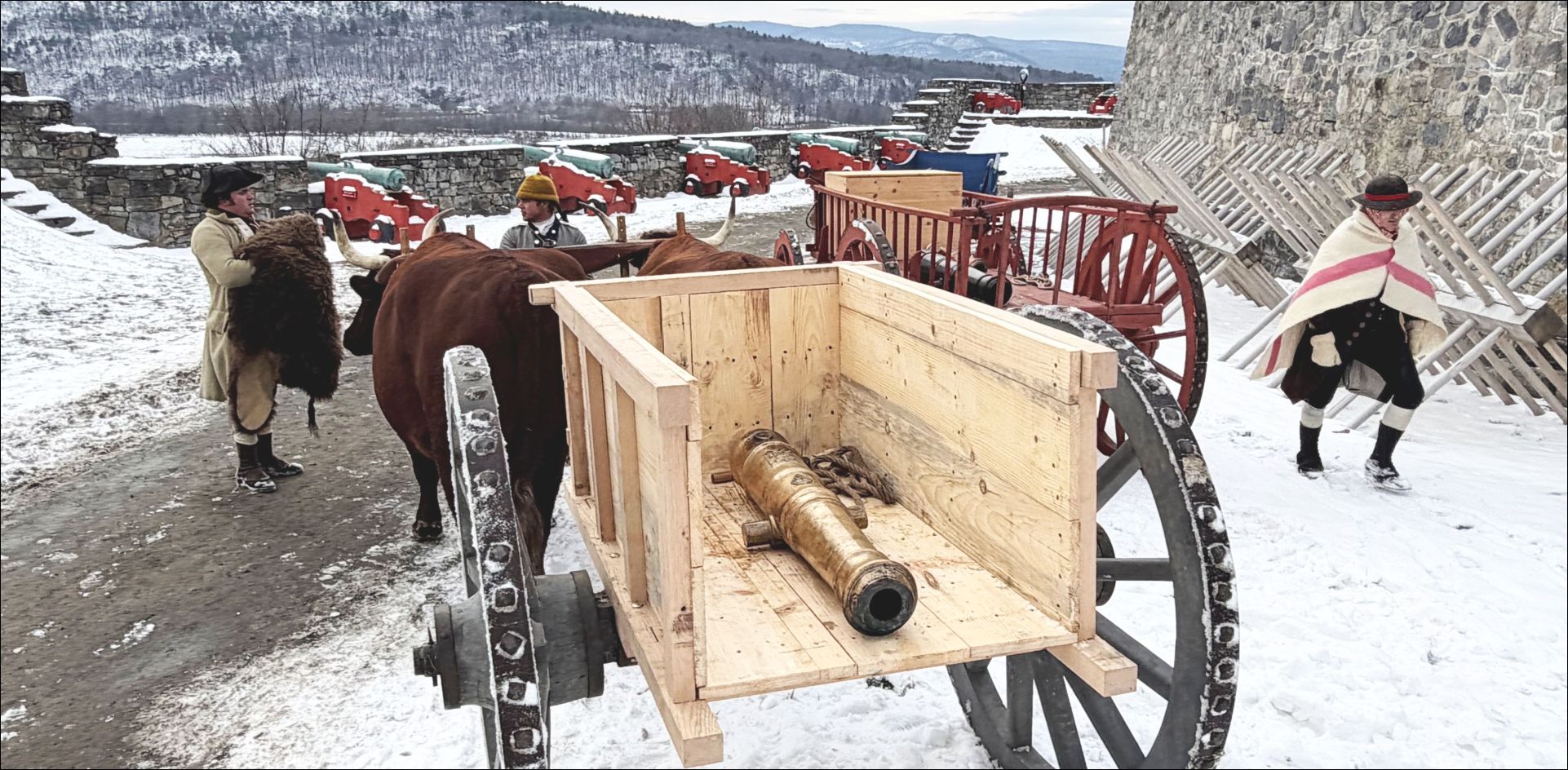
Too often overlooked, however, are the other cannons of Fort Ticonderoga – the ones that line the restored structure’s walls today and comprise the largest private collection of 18th-century artillery in the Western Hemisphere.
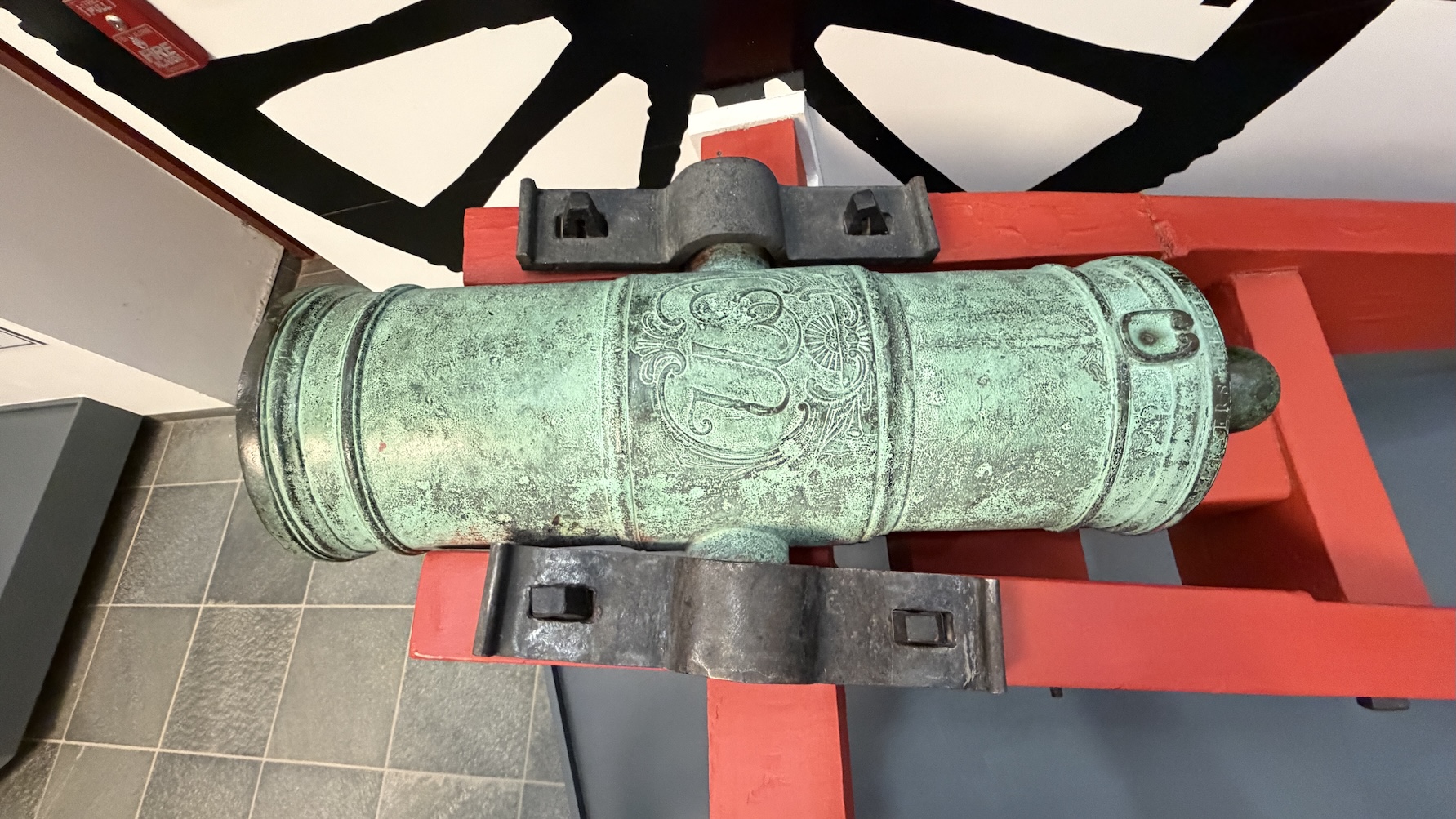
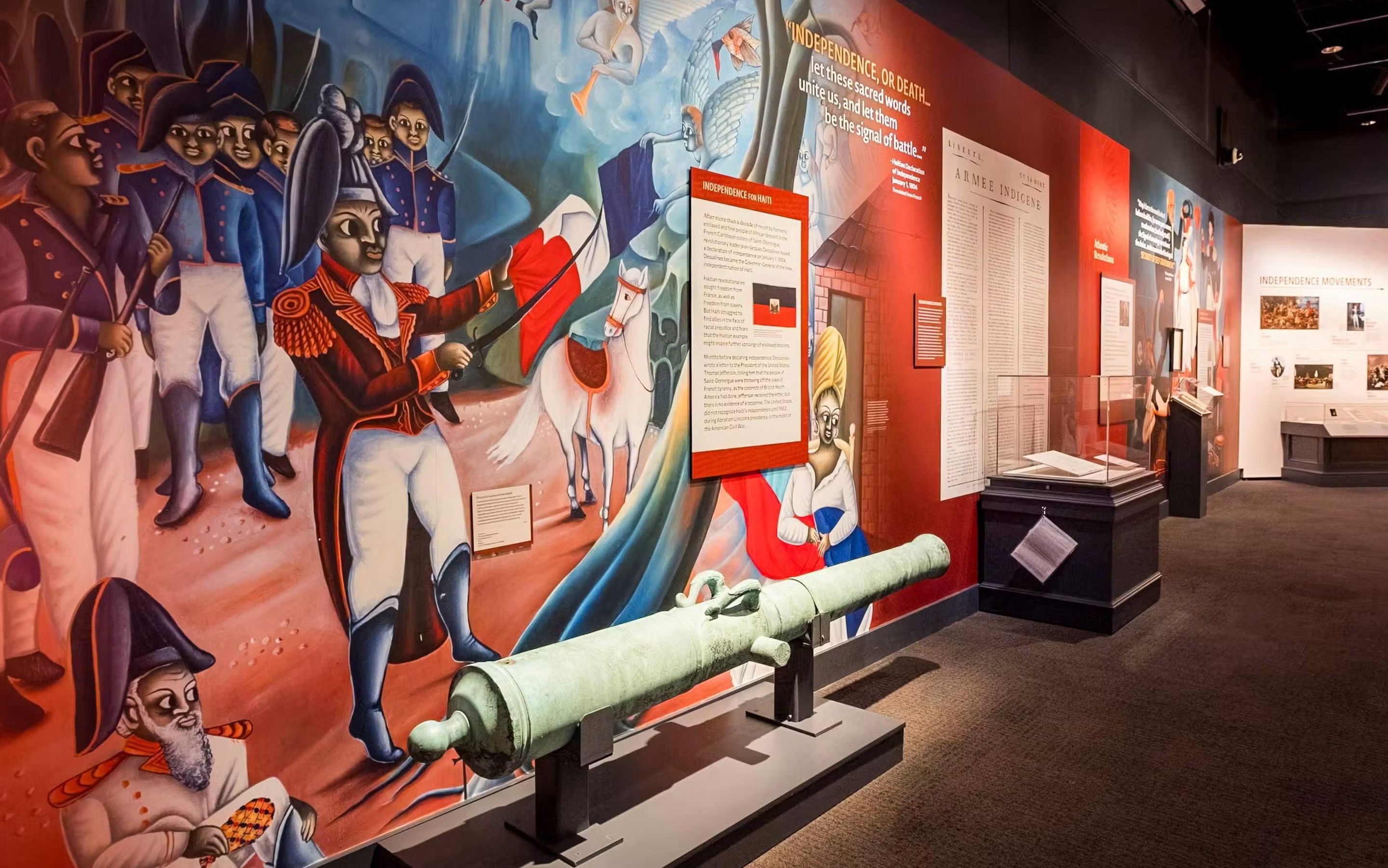
This disregard is a shame because of what the 156 cannons, mortars, and howitzers can teach us. Unlike the guns that went to Boston, these tell a more morally complicated American story – one that’s less about a country born from a fight for independence in the 1700s, and more about the imperial power the U.S. would become a century later. They also remind us that there were far more than one war of independence and 13 colonies in our hemisphere.
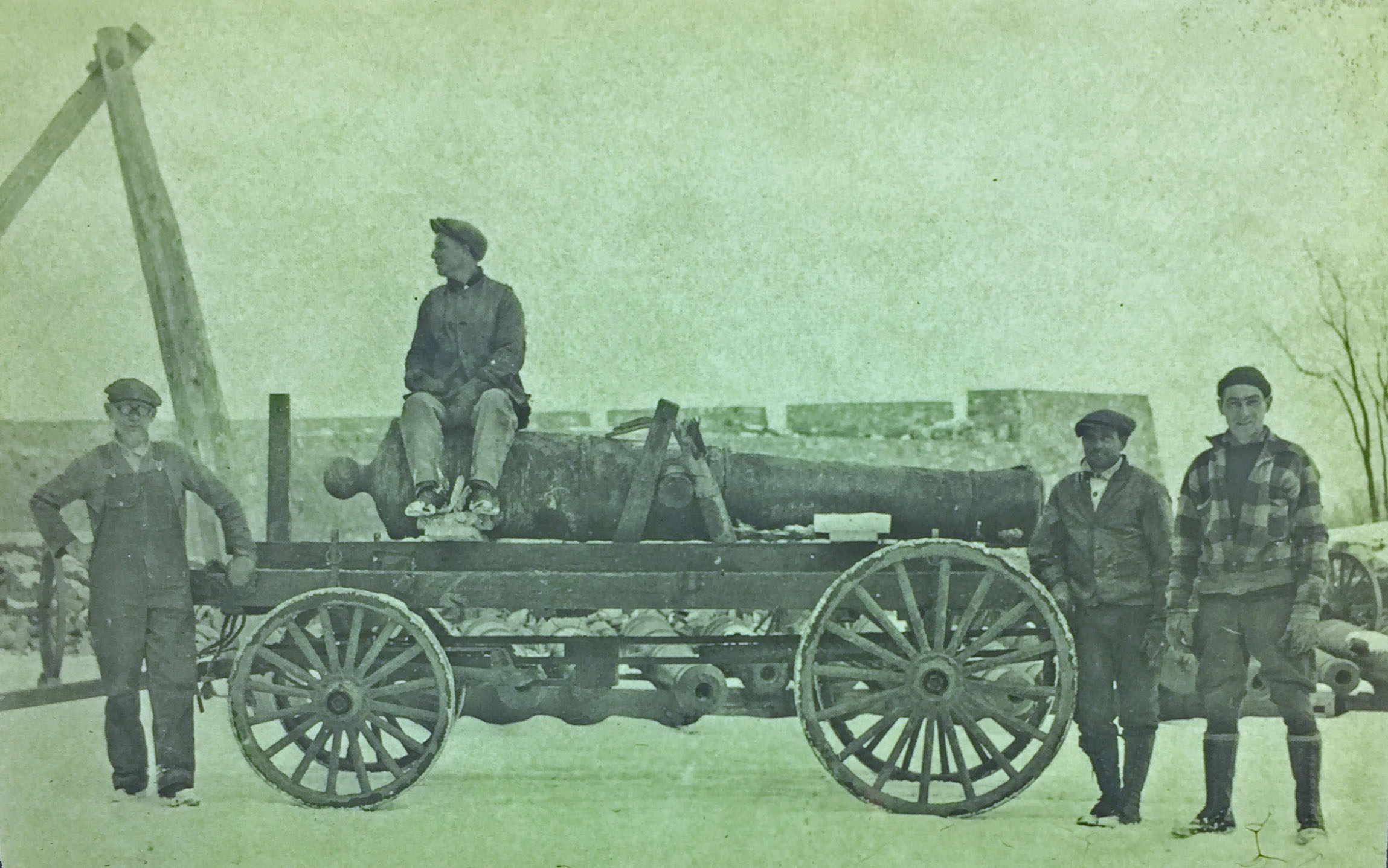
The artillery at the fort today arrived throughout the 20th century. The American Revolution had left Fort Ticonderoga in ruins, and by the time a wealthy New York businessman named William Pell purchased the land in 1820, there were no guns in sight. Except for one buried and discovered during excavation, all had been taken – either moved to battles elsewhere or melted down for scrap metal.
It was William’s great-grandson, Stephen, who began the process of restoration in the early 1900s, before heading off to World War I. He returned a hero, with a French Legion of Honor and Purple Heart. He resumed work on the fort, determined to bring it back to its days as “a 100% perfect Vauban-style fort of the period, with all its guns and equipment, standing on the shores of Lake Champlain,” he expressed in a letter. (The Marquis de Vauban was a legendary French military engineer who revolutionized siege warfare and military architecture during the reign of King Louis XIV, and whose philosophy influenced the original designs of Fort Ticonderoga.)
Six generations of his family have worked to preserve and restore the historic structure. Loeb Art Center, Vassar" data-entity-type="file" data-entity-uuid="1ce702cb-b010-40be-ae90-746159454faa" height="367" src="https://www.americanheritage.com/sites/default/files/inline-images/View%20of%20the%20Ruins%20of%20Fort%20Ticonderoga%2C%20Loeb%20Art%20Center%2C%20Vassar%20College.jpg" width="753" loading="lazy">
Replacing those guns, however, would prove challenging. Most in the U.S. had been destroyed, were on exhibit, or were in public hands and would require an act of Congress to give away. But Pell learned there were a good number of original French and English guns of the right period and sizes around Latin America and the Caribbean, and he had letters from Naval and Marine officers reporting the locations of many of them.
In 1929, Ticonderoga had 30 cannons, but Pell felt there needed to be scores more to fill the embrasures and make the fort complete.
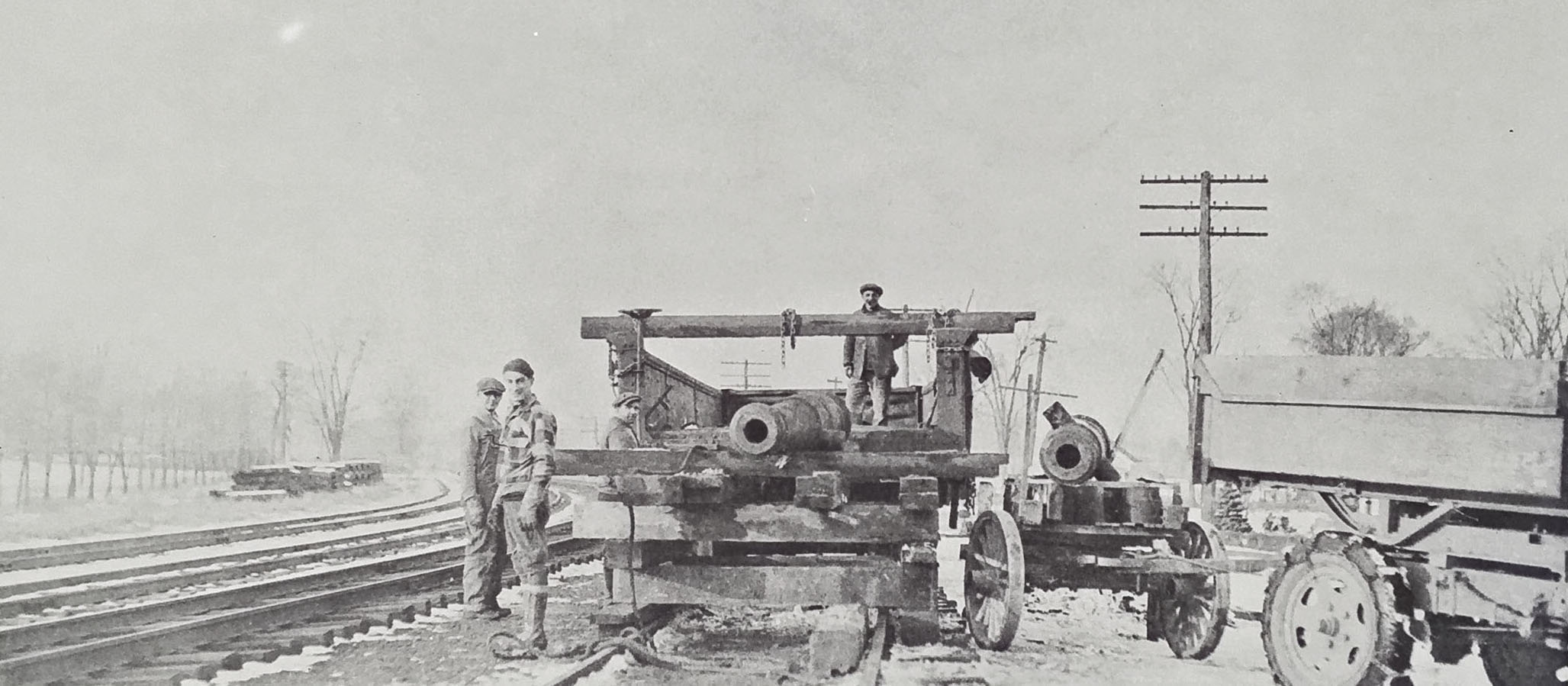
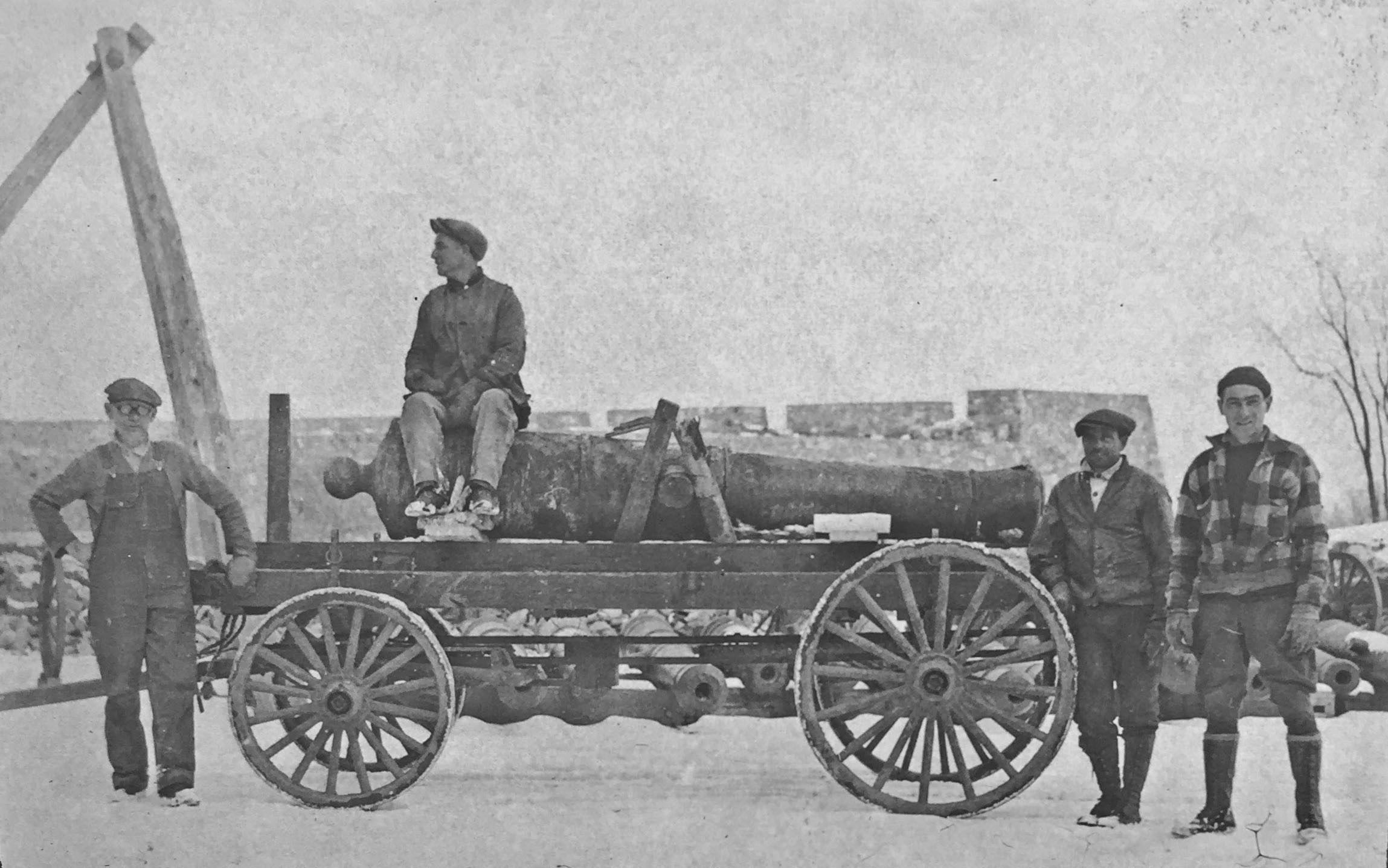
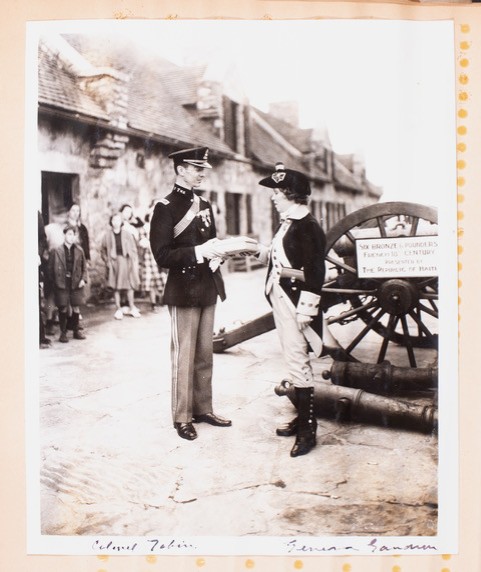
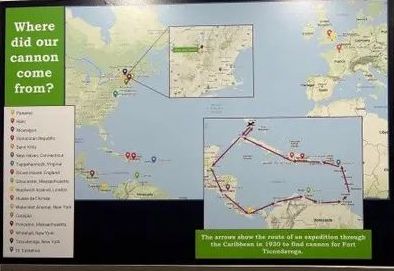
What happened next is touched on in a wall display inside Fort Ticonderoga. A poster lists 17 locations in 10 countries and colonies where the fort’s cannons once lived. To the right of the list is a map with arrows forming a circle around the Caribbean Sea. It’s the route of a 1930 “cannon-hunting” expedition undertaken by Stephen Pell’s field representative and so-called “gun man,” H. Jermain Slocum.
Slocum was the perfect person for the job, with his mix of military pedigree, wealth, and Indiana Jones-like thirst for adventure and conquest. His great-great-grandfather had been a major in the American Revolution. His grandfather was a Union Army colonel in the Civil War, a businessman, and an original member of the Society of Mayflower Descendants of New York. Slocum’s father, H. Jermain Sr., was also a colonel, serving in the Philippines, Cuba, and New Mexico.
H. Jermain Jr. himself likely benefited from confusion with his namesake, as when he was mistakenly called “Colonel” despite having served less than a year in the military, on the Mexico border, before being honorably discharged for a disability. Slocum went into business and lived well, maintaining membership in several elite New York and Connecticut social clubs even after filing for bankruptcy. In 1927, a court reversed a discharge of his debts on the grounds that he had falsely testified under oath. But when Slocum’s father died just months later, he inherited a million dollars (worth almost $19 million