Authors:
Historic Era: Era 5: Civil War and Reconstruction (1850-1877)
Historic Theme:
Subject:
Summer 2026 | Volume 71, Issue 3


Authors:
Historic Era: Era 5: Civil War and Reconstruction (1850-1877)
Historic Theme:
Subject:
Summer 2026 | Volume 71, Issue 3


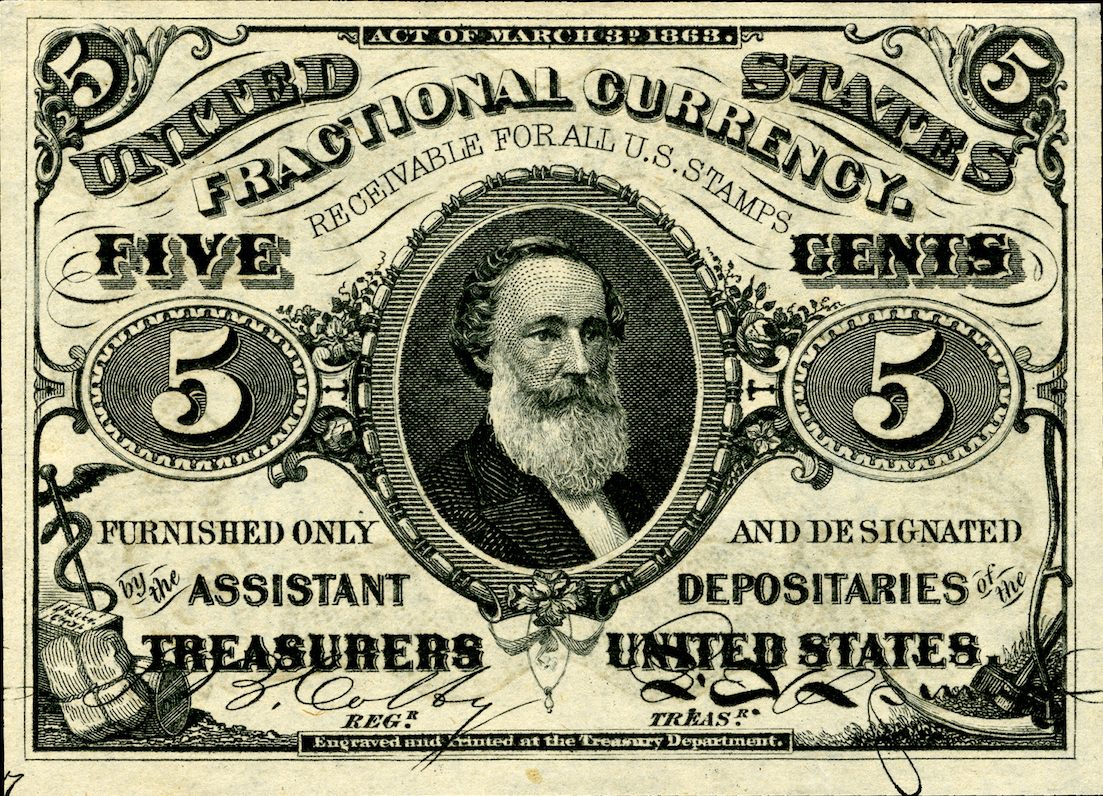
Congress forbade living persons from appearing on paper currency in 1866, after an unpopular Treasury Department official put himself on the five-cent note.
Summer 2026 | Volume 71, Issue 3
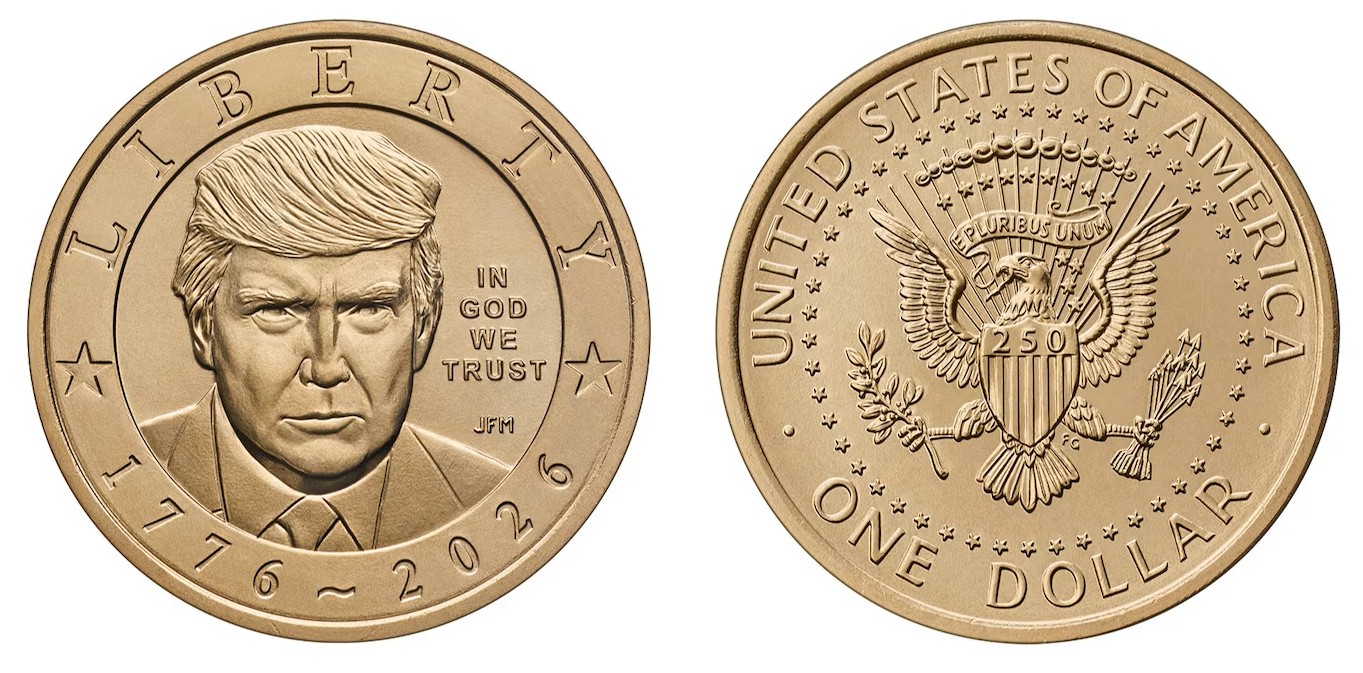
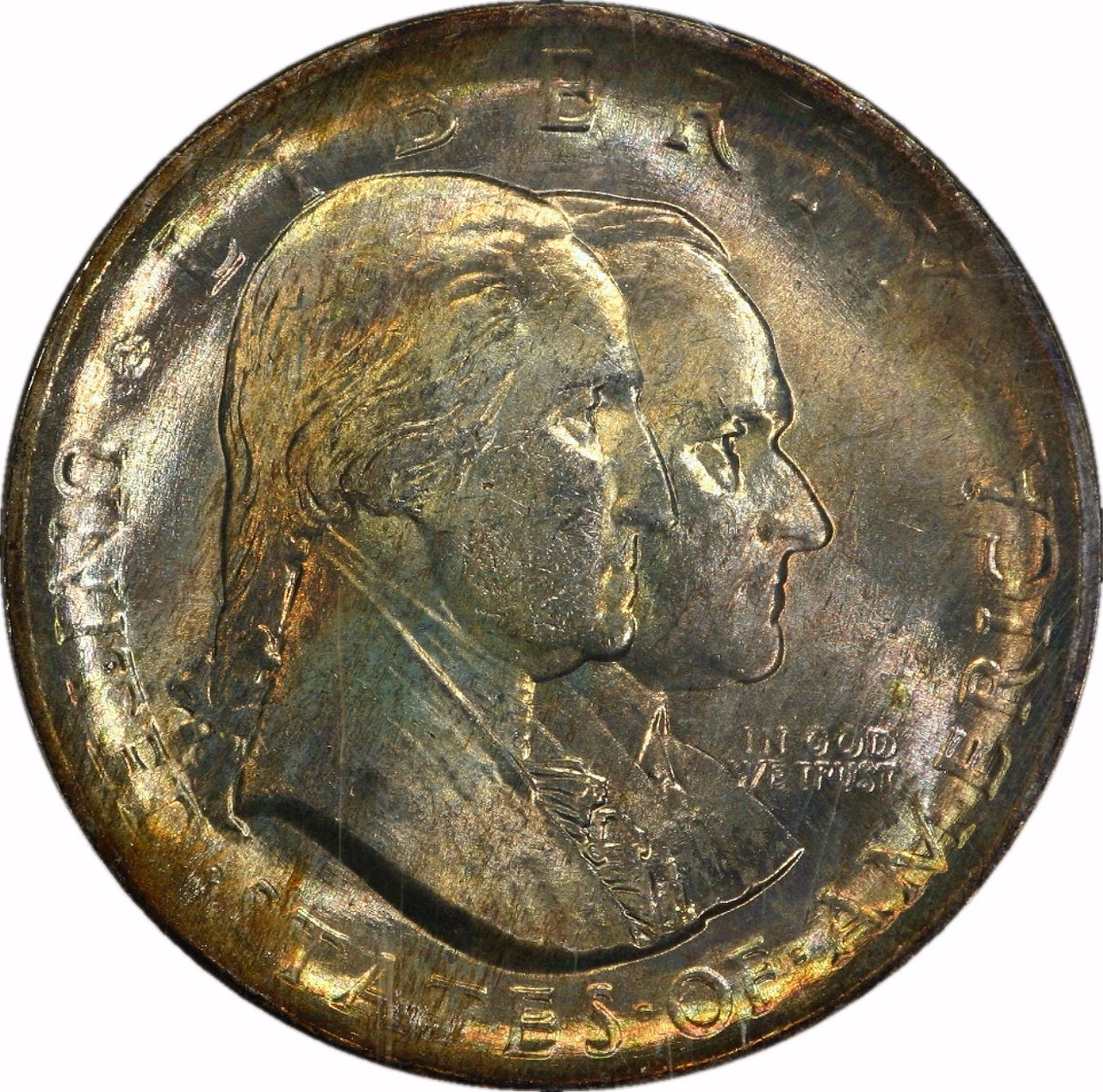
Treasury Secretary Scott Bessent recently unveiled designs for a commemorative $1 gold-colored coin with President Trump's face on the front, which he said the U.S. Mint will produce in honor of the country's 250th birthday. Two months earlier, Bessent had also announced the Mint was planning for a possible $250 note with the president's likeness. Would the issuance of these be legal? Are commemorative coins and bills different from standard ones? It turns out the controversies around images of living persons on currency date back millennia.
When Spencer M. Clark, head of the Treasury Department’s National Currency Bureau, placed his own likeness on paper money in February 1866, it ignited a firestorm. There had been tradition that the United States would not flatter any living person by putting their face on its money, but other individuals had recently appeared on currency with no outcry.
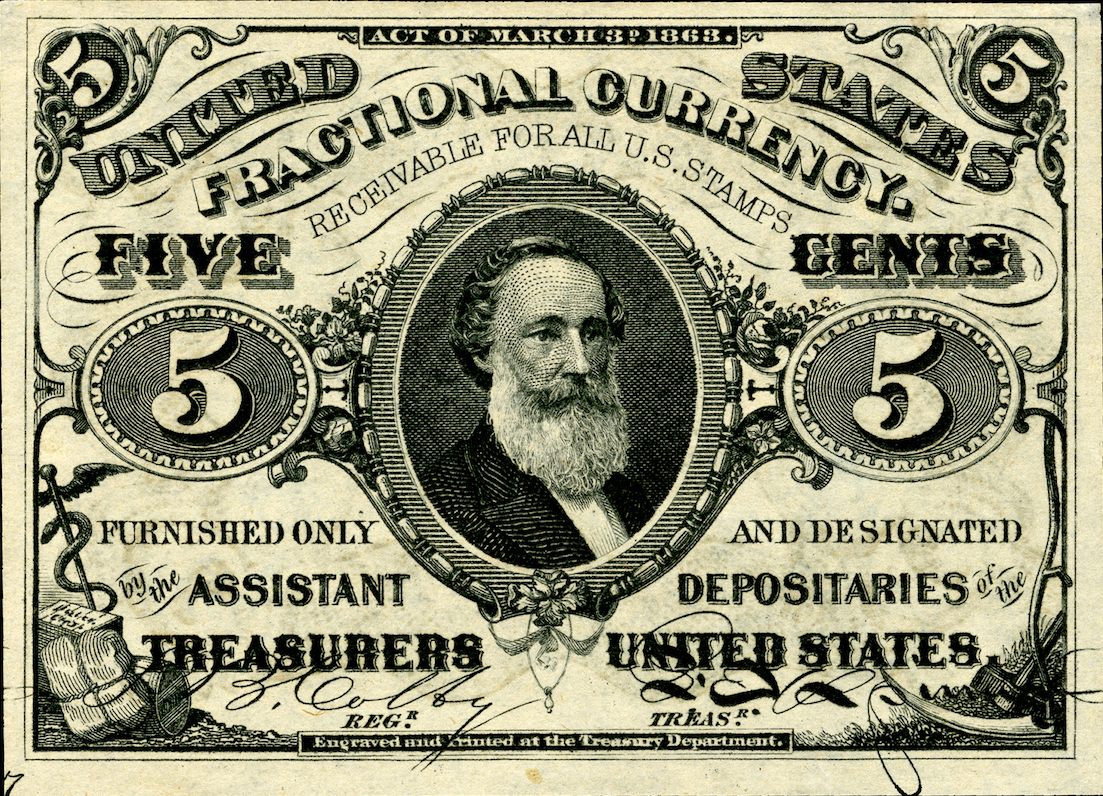
Clark may have expected the same treatment, but the conflagration over his face on money grew so intense that it led to something he never expected: a strict limitation on who can appear on America’s currency -- a restriction that endures to this day.
The question of whose face should be featured on legal tender in the U.S. arose in 1792, when Congress first authorized the minting of coins. The Senate wanted each coin to depict the president in office when the coin was minted, but the House refused to go along, feeling the idea smacked of monarchy. Rep. John Page of Virginia called it “a stamp of Royalty.”
Another objection Rep. Page had in 1792 was that while President George Washington was a worthy subject for coins, later chief executives might not measure up. The final statute omitted any reference to presidents. Instead, it required the front of each coin to bear “an impression emblematic of liberty” and the back to display an eagle or the coin’s denomination.
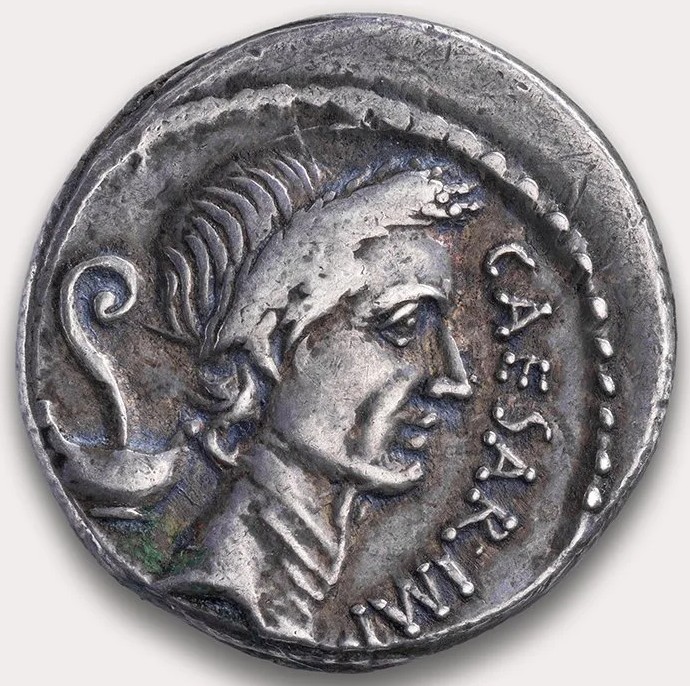
Emperors and kings had adorned coins with their own image ever since Julius Caesar had put himself on Roman denarii in 44 B.C. Britain's King George III had appeared on gold guineas and sovereigns, silver crowns, and numerous copper coins.
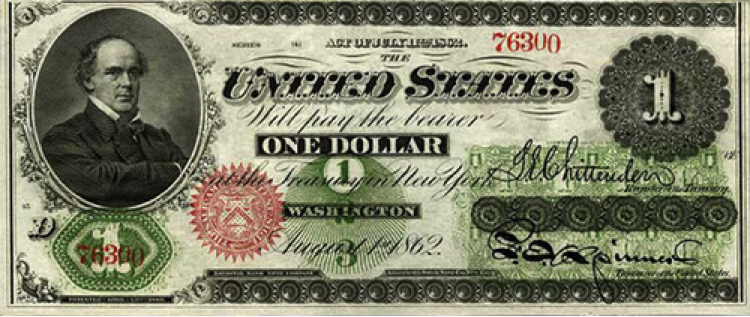
It was not until 1862 that paper money appeared in the United States, a development that was a matter of wartime necessity. Too few coins were in circulation because people were hoarding them for their precious metal content. The answer Congress came up with was to print paper money,