Authors:
Historic Era: Era 2: Colonization and Settlement (1585-1763), Era 3: Revolution and the New Nation (1754-1820s)
Historic Theme:
Subject:
Summer 2026 | Volume 71, Issue 3



Authors:
Historic Era: Era 2: Colonization and Settlement (1585-1763), Era 3: Revolution and the New Nation (1754-1820s)
Historic Theme:
Subject:
Summer 2026 | Volume 71, Issue 3


At the nation’s pivotal moment — the Civil War — two seventeenth-century vessels kept sailing through the American mind: the Mayflower and the slaver White Lion. Their wakes still cut our waters.
Summer 2026 | Volume 71, Issue 3
Editor's Note: David S. Reynolds is one of our leading cultural historians and a Distinguished Professor at the CUNY Graduate Center. He is the author of numerous books including Abe: Abraham Lincoln in His Times and the recently published Two Ships: Jamestown 1619, Plymouth 1620, which explores the fascinating historical ideas he introduces in this essay.
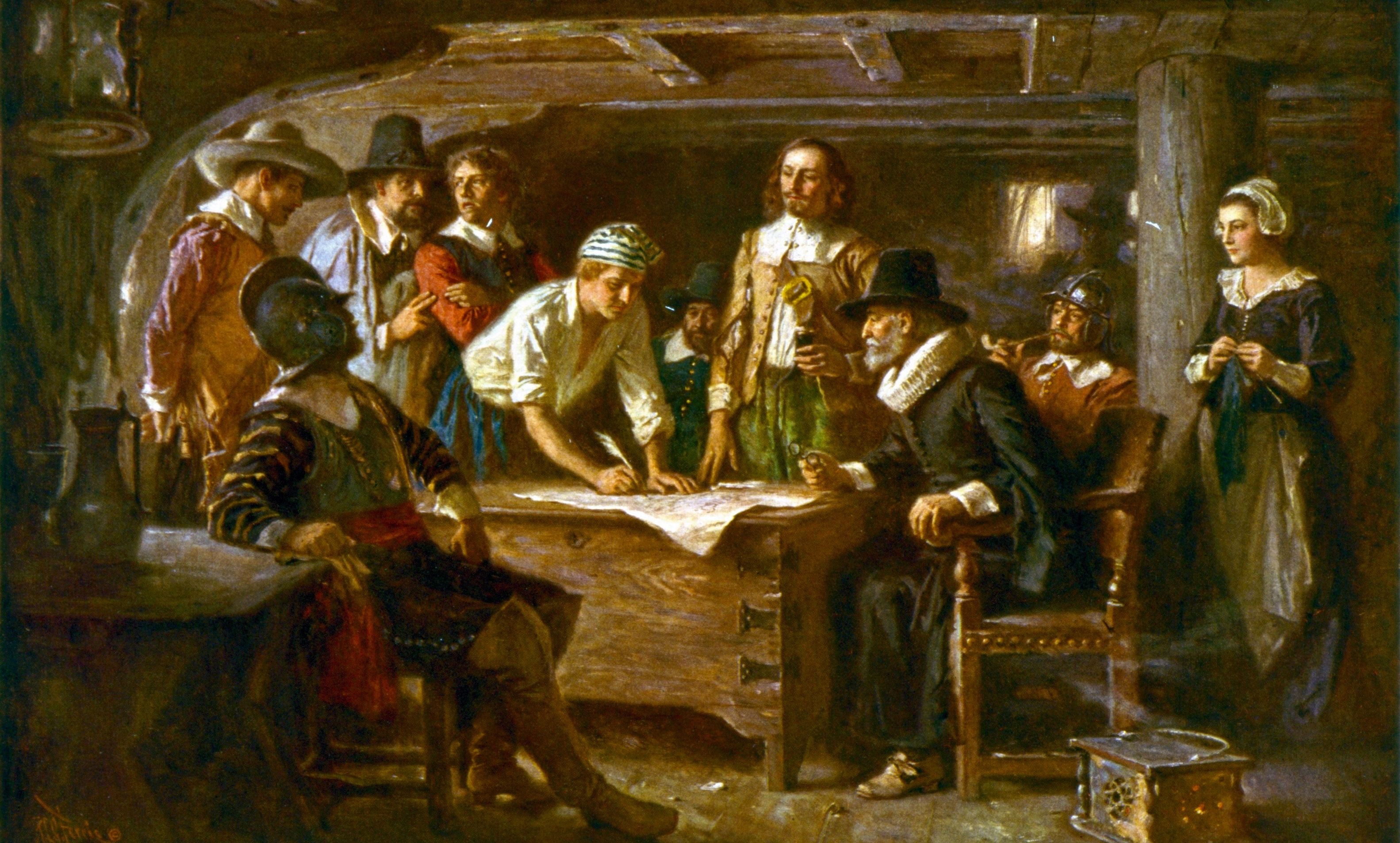
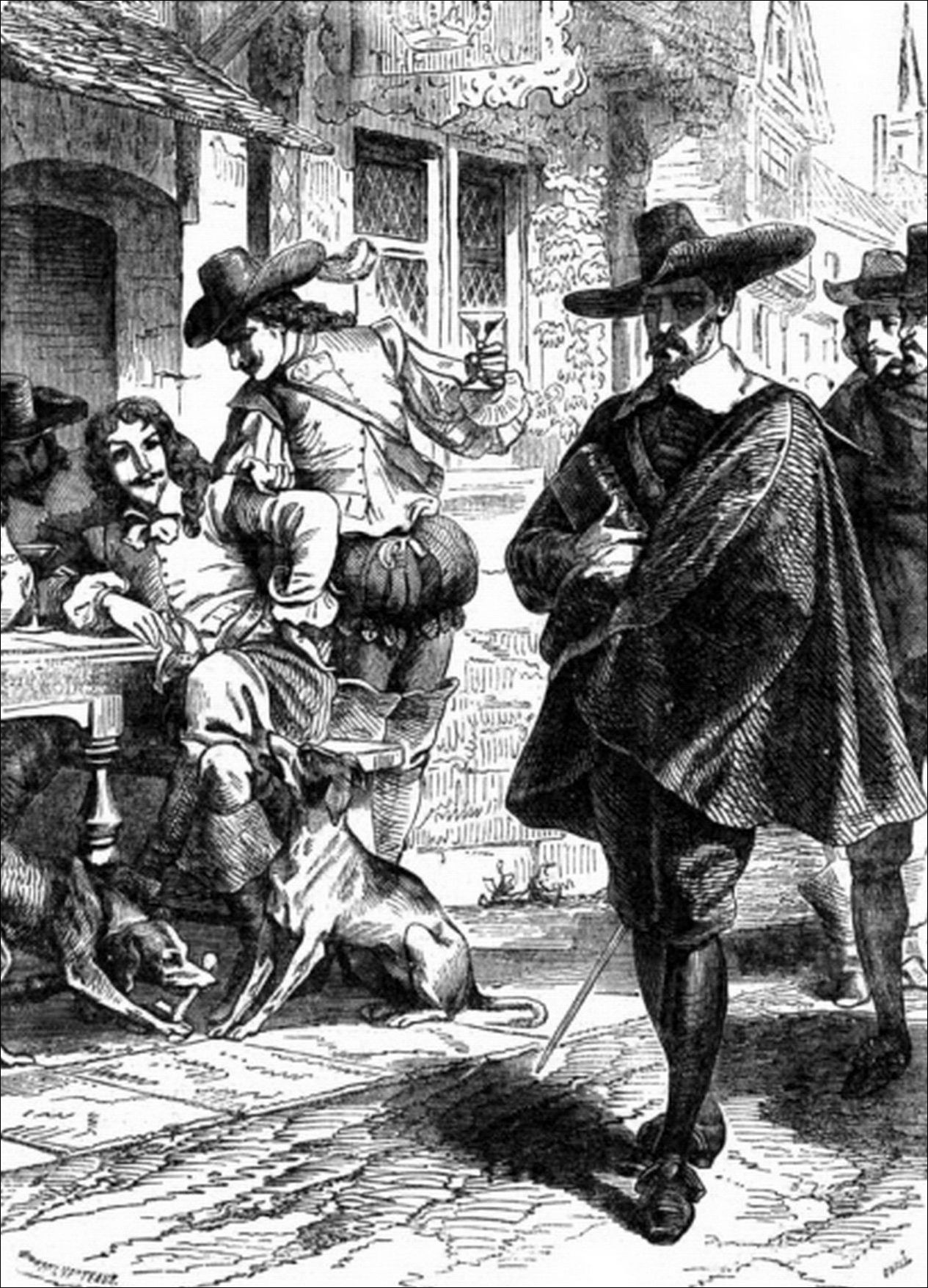
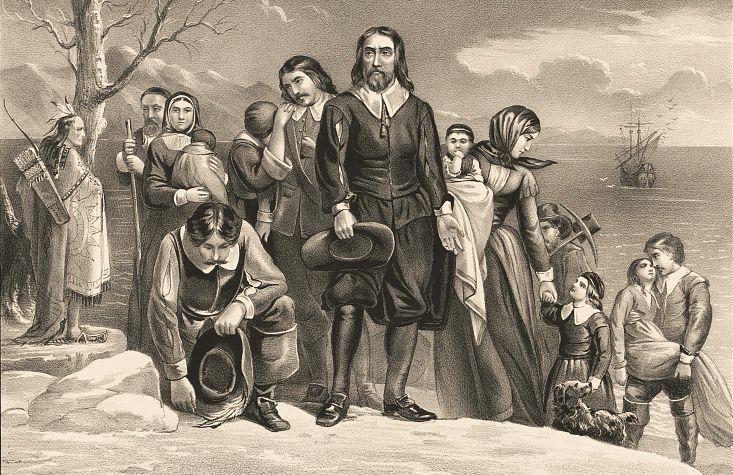
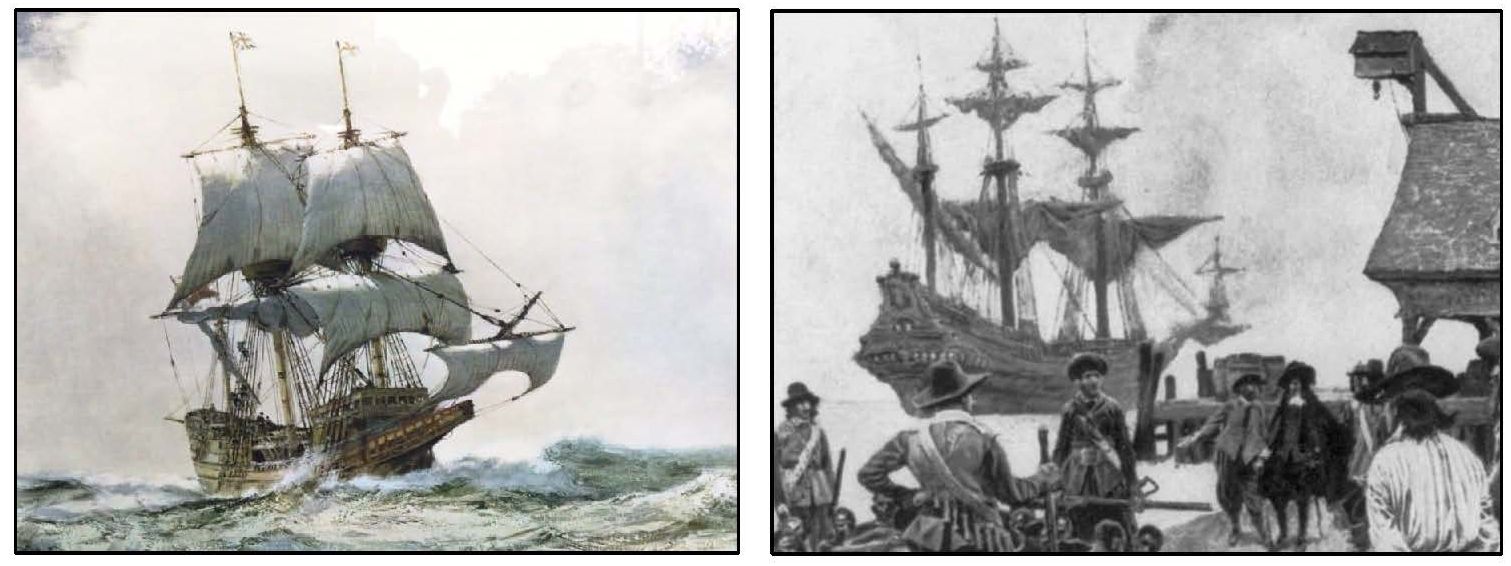
Today’s deep cultural polarization might seem like a recent development, inflamed by partisan news and social media. But as the nation confronted its most literal break during the Civil War, Americans looked back two centuries to understand their disagreements. They didn't see a map of 34 states; they saw the resonances of two seventeenth-century ships still plowing through our waters: the White Lion, an English privateer sailing under Dutch colors, which had brought twenty-odd enslaved Africans to Jamestown, Virginia, in 1619, and the Mayflower, which arrived at Plymouth, Massachusetts, in 1620.
This view was no myth; it had historical substance. A cultural war had indeed been sparked at the nation’s origins. It intensified over time, raged fiercely during the Civil War, and has reappeared, albeit under different labels, in today’s ideological divide.
The first eight months of the Civil War had gone badly for the North. Early visions of a quick victory had been shattered by Union losses at Bull Run, Wilson’s Creek, Lexington, and Ball’s Bluff. The winter was frigid and snowy. General-in-Chief George McClellan was grounded with typhus. President Lincoln was restless about his armies’ inaction. Everything seemed stuck.
Frederick Douglass wanted to jolt the North out of its lethargy. In a resounding speech on January 16 in Philadelphia’s National Hall, he drove home the war’s purpose by discussing two ships:
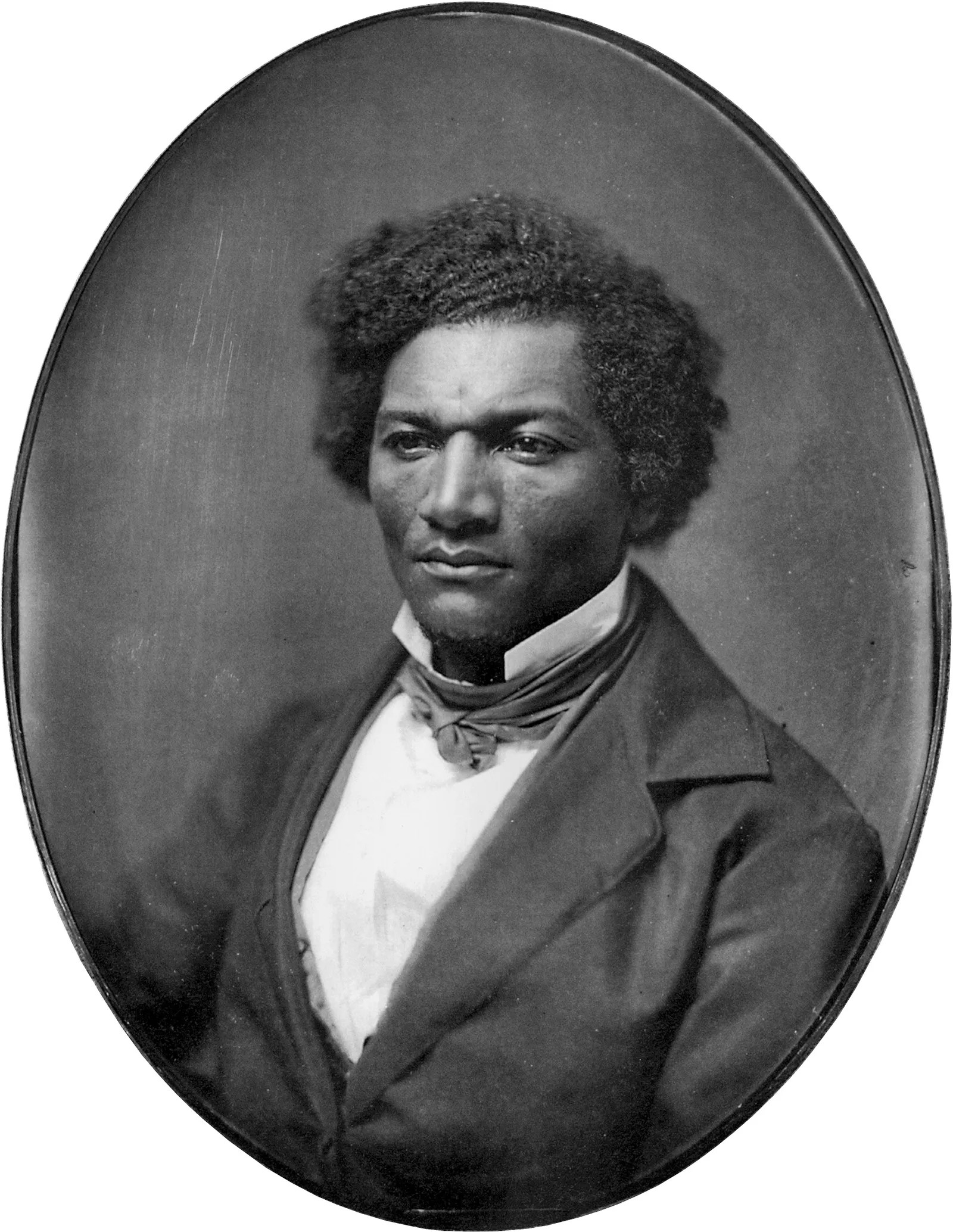
Douglass was using his favorite historical image to describe the nation’s dual origins. As he said in another speech, the Jamestown ship introduced “the whip and the chain,” whereas “the Mayflower came to establish the Bible, the Magna Carta, the right of habeas corpus, trial by jury, the marriage institution, equality in the eye of the law, deference for order, and all the institutions which tended to ennoble and dignify the human race.”
Douglass was tapping into one of the most popular tropes of his time. The image had became well-known in the 1820s, when the Hartford poet