Authors:
Historic Era:
Historic Theme:
Subject:
Summer 2026 | Volume 71, Issue 3



Authors:
Historic Era:
Historic Theme:
Subject:
Summer 2026 | Volume 71, Issue 3


The rumor mill is as old as our boisterous republic.
Summer 2026 | Volume 71, Issue 3
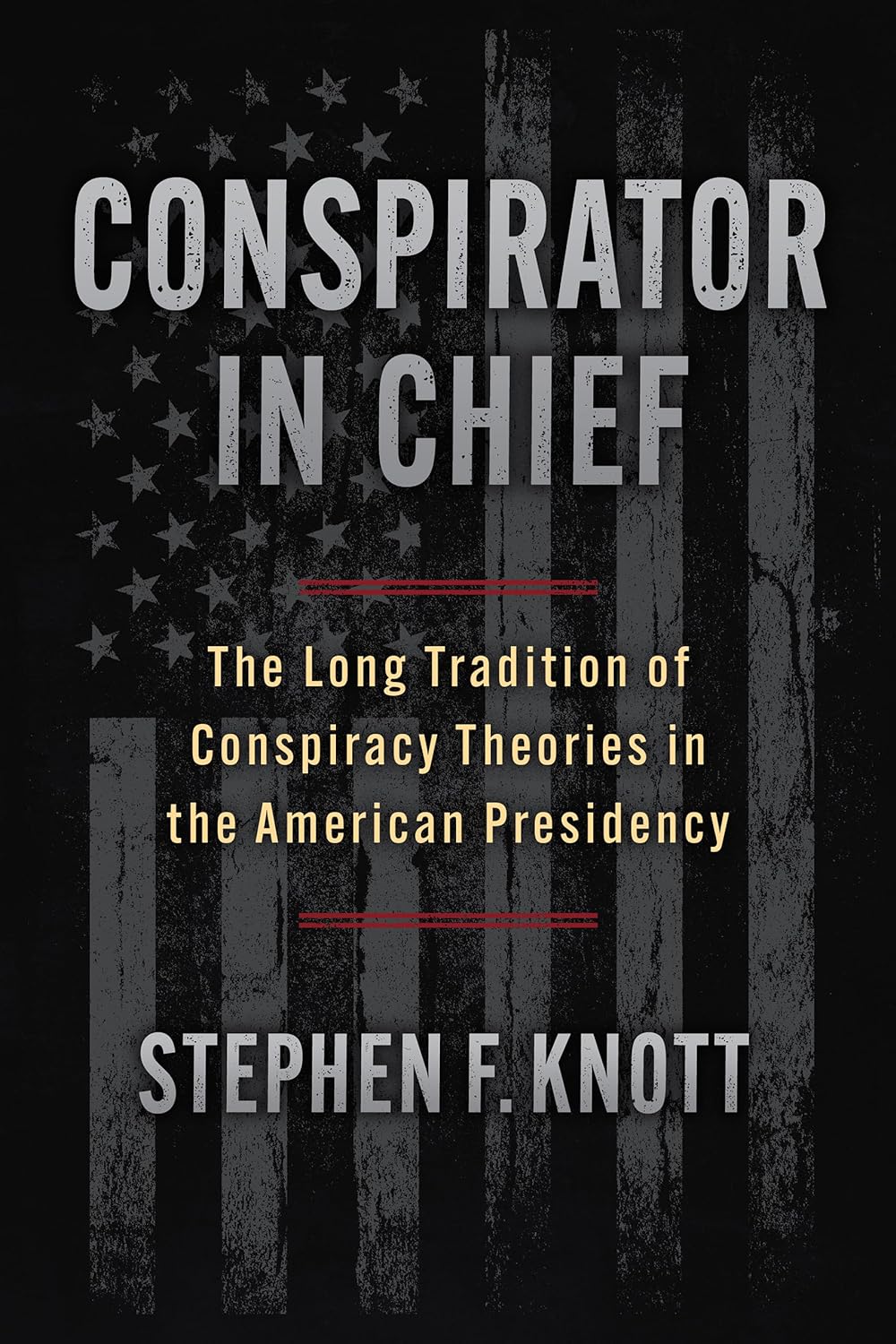
Editor's Note: Eric Dezenhall is the author of 12 books of fiction and nonfiction, including, most recently, Wiseguys and the White House: Gangsters, Presidents, and the Deals They Made. This review first appeared in the Washington Independent Review of Books, a nonprofit website dedicated to book reviews and writing about the world of books since 2011.
When we think of conspiracy theories, it’s easy to wrongly assume they’re a byproduct of our squalid age of tech-fueled disinformation. The notion of, say, an esteemed Founding Father like Thomas Jefferson or an antebellum swashbuckler like Andrew Jackson industrializing vicious junior-high gossip doesn’t ring true. The harsh reality of pernicious political gossip, however, is demonstrated in Stephen F. Knott’s primer, Conspirator in Chief (University Press of Kansas, 240 pp), with clear, indisputable evidence.
Jefferson, despite his reputation for intellectual sophistication, could be nasty as a viper, portraying Alexander Hamilton as a monarchist who’d been running a criminal enterprise while serving as secretary of the Treasury. Hamilton was cleared of such malfeasance, but Jefferson, who saw him as an enemy of his agenda, was successful in broadcasting Hamilton’s extramarital affair, which led to a blackmail scheme that seriously weakened the statesman.
The monarchist conspiracy theory resurfaced during the political battle between Jackson and John Quincy Adams. In their first contest for president, Adams defeated Jackson in a congressional vote that Jackson railed was stolen. (Sound familiar?) In the subsequent election, Jackson tagged Adams as a cheerleader for British royalty, and, yes, people believed it. Jackson won.
Similarly, President Andrew Johnson leveraged the resentment of poor Southern whites to slow the pace of Reconstruction by framing his opposition as being under the control of “negro supremacy” plotters, which begs the question of how Black slaves managed to seize control of the republic within months of their freedom. Still, conspiracy theories don’t demand logic or proof, only resentment.
Moving into the 20th century, neither Franklin D. Roosevelt nor Harry S. Truman shied away from conspiracy theorizing. Roosevelt wrapped up smears against opponents who questioned his exercise of executive power — calling them “privileged princes” — in the warmth of his fireside chats. He even ordered the FBI to spy on hostile newspaper owners. Truman, likewise, whipped up a frenzy against his critics by framing them, Knott writes, as highly organized “bloodsuckers with offices in Wall Street.”
Richard Nixon’s psyche was famously fueled by conspiracy theories — and he wasn’t always wrong. The John F. Kennedy campaign juggernaut really was out to get him, and it likely stole the 1960 election. Nevertheless, it was easy to sell Nixon on promoting notions of an enemy cabal. “I think