Authors:
Historic Era: Era 7: The Emergence of Modern America (1890-1930)
Historic Theme:
Subject:
Fall 2026 | Volume 71, Issue 4



Authors:
Historic Era: Era 7: The Emergence of Modern America (1890-1930)
Historic Theme:
Subject:
Fall 2026 | Volume 71, Issue 4


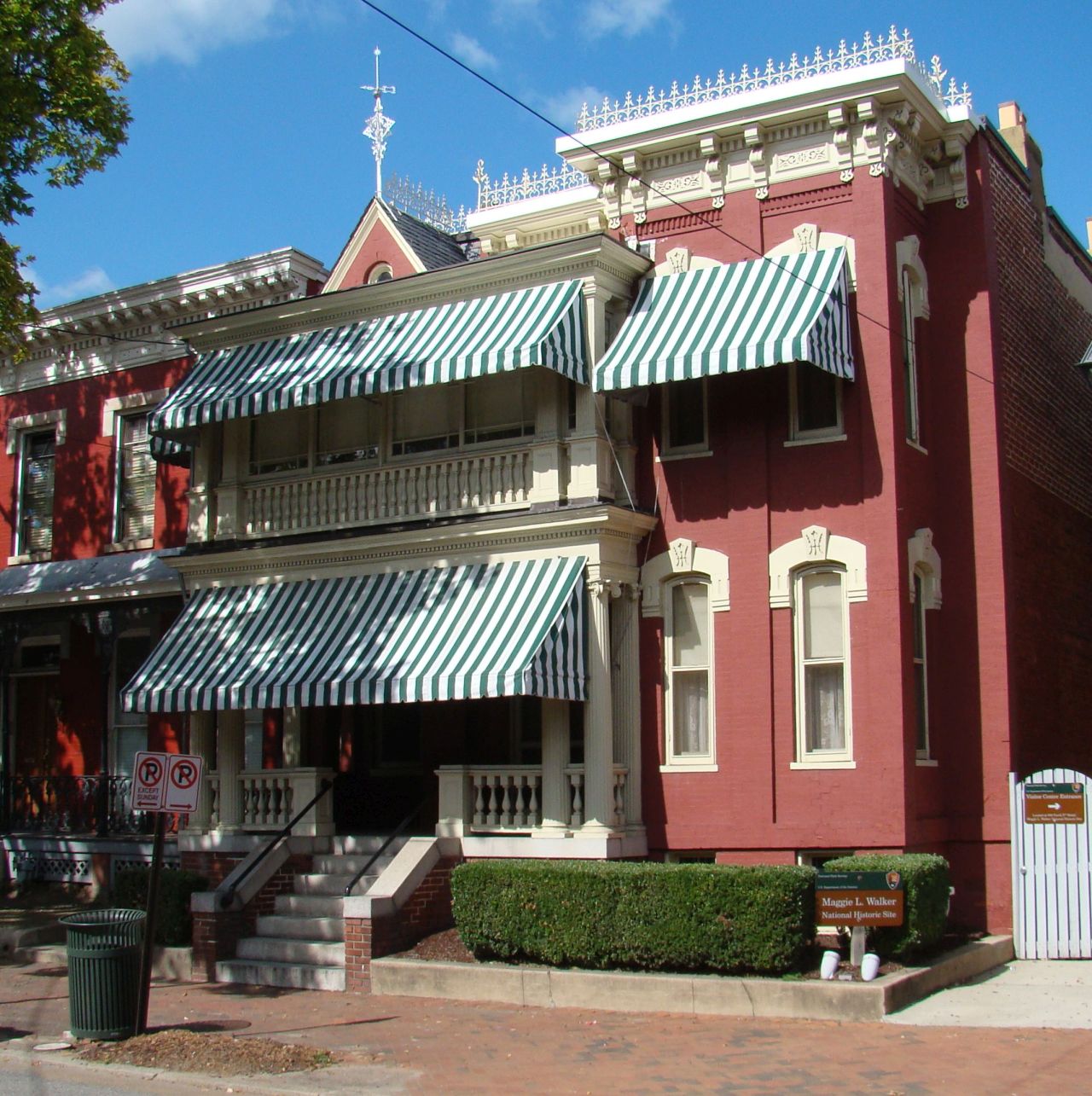
Maggie Walker, the first Black woman to open a bank, helped thousands of individuals who could not borrow from traditional lenders.
Fall 2026 | Volume 71, Issue 4
Editor’s Note: Norah O’Donnell is a 60 Minutes correspondent, CBS Mornings co-host, and Healthful host. She recently authored a collection of stories about American women from 1776 to the present who changed the course of history, We the Women: The Hidden Heroes Who Shaped America, in which a version of this essay appeared. Kate Andersen Brower is an American journalist and author who has written four books about the White House, two of which have been New York Times bestsellers.
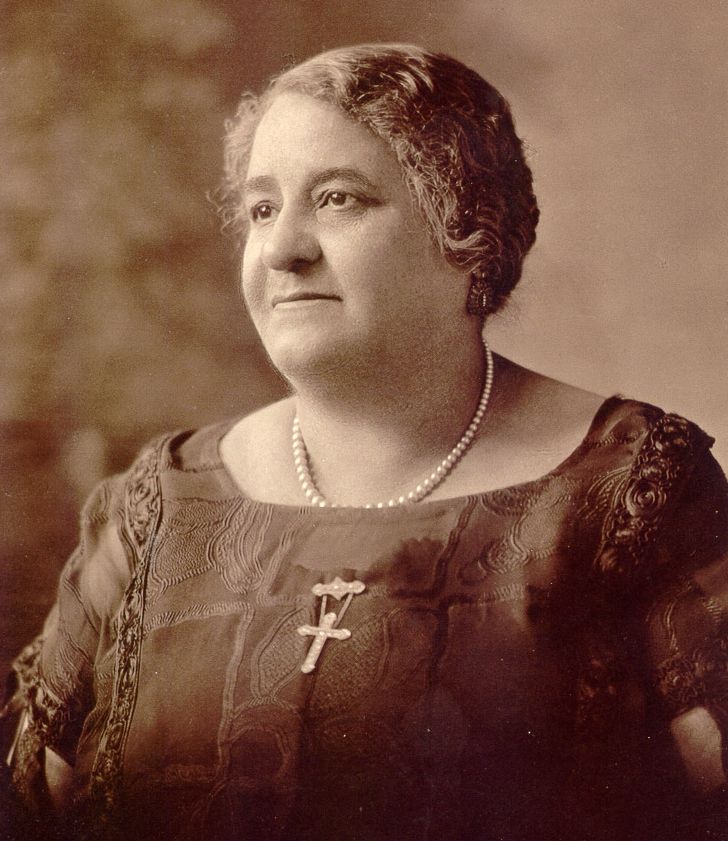
On November 2, 1903, in the heart of the former capital of the Confederacy, a Black woman did the unthinkable: She opened a bank – and not just any bank but one that sparked a movement of Black economic empowerment.
Nearly three hundred people gathered for the occasion, waiting patiently to open accounts in the St. Luke Penny Savings Bank. The atmosphere was electric – music, speeches, and a steady stream of community members, from those with just thirty-one cents to others with over $100. By the end of the day, the bank had collected $8,000 in deposits.
It was a crowning achievement for Maggie Lena Walker, whose vision would cement her legacy as the first Black woman to charter and successfully run a bank in the United States. Maggie was born in Richmond, Virginia, on July 15, 1864 – the daughter of Elizabeth “Lizzie” Draper, a formerly enslaved woman, and Eccles Cuthbert, a white Irish journalist. They never married. She was raised by her mother and stepfather, a butler named William Mitchell, who was robbed and killed when Maggie was just eight years old. She began working as a laundress at a young age to help support the family.
“My childhood became a struggle for something to eat, something to wear and a place to sleep,” Maggie wrote in her diary. “I worked all day and way into the night. Work or starve, that was my mandate.”
Even so, she excelled in school and graduated from Richmond Colored Normal School in 1883. She became a teacher and soon after married Armstead Walker, a successful brick mason. They lived in Jackson Ward, a growing center of Black life in post-Civil War Richmond.
To fully grasp the significance of Maggie’s achievement, we have to envision the South after the Civil War. White leaders erected monuments to Confederate generals and enforced Jim Crow and other means of discrimination against the Black community-which was almost 40 per-cent of Richmond’s population. White-owned banks largely refused to provide financing and fair banking services to Black families. Many banks either did not accept deposits from Black customers or outright denied them loans, often citing racial stereotypes that Black borrowers would not pay them back. Even when Black customers were served, they were frequently charged