Authors:
Historic Era: Era 4: Expansion and Reform (1801-1861)
Historic Theme:
Subject:
| Volume 71, Issue 4



Authors:
Historic Era: Era 4: Expansion and Reform (1801-1861)
Historic Theme:
Subject:
| Volume 71, Issue 4


Museums and historic sites across the Southeast help us better understand Andrew Jackson, who helped define American democracy but also championed the brutal treatment of indigenous peoples.
| Volume 71, Issue 4
Editor’s Note: Beverly Gage is a professor of history and American studies at Yale University. After winning a Pulitzer Prize for her 2022 book G-Man: J. Edgar Hoover and the Making of the American Century, Prof. Gage toured the U.S. to examine historical events and personalities up close. This year she and Ms. Brower published a fascinating book about her travels, This Land is Your Land: A Road Trip Through U.S. History, in which a version of this essay appeared.
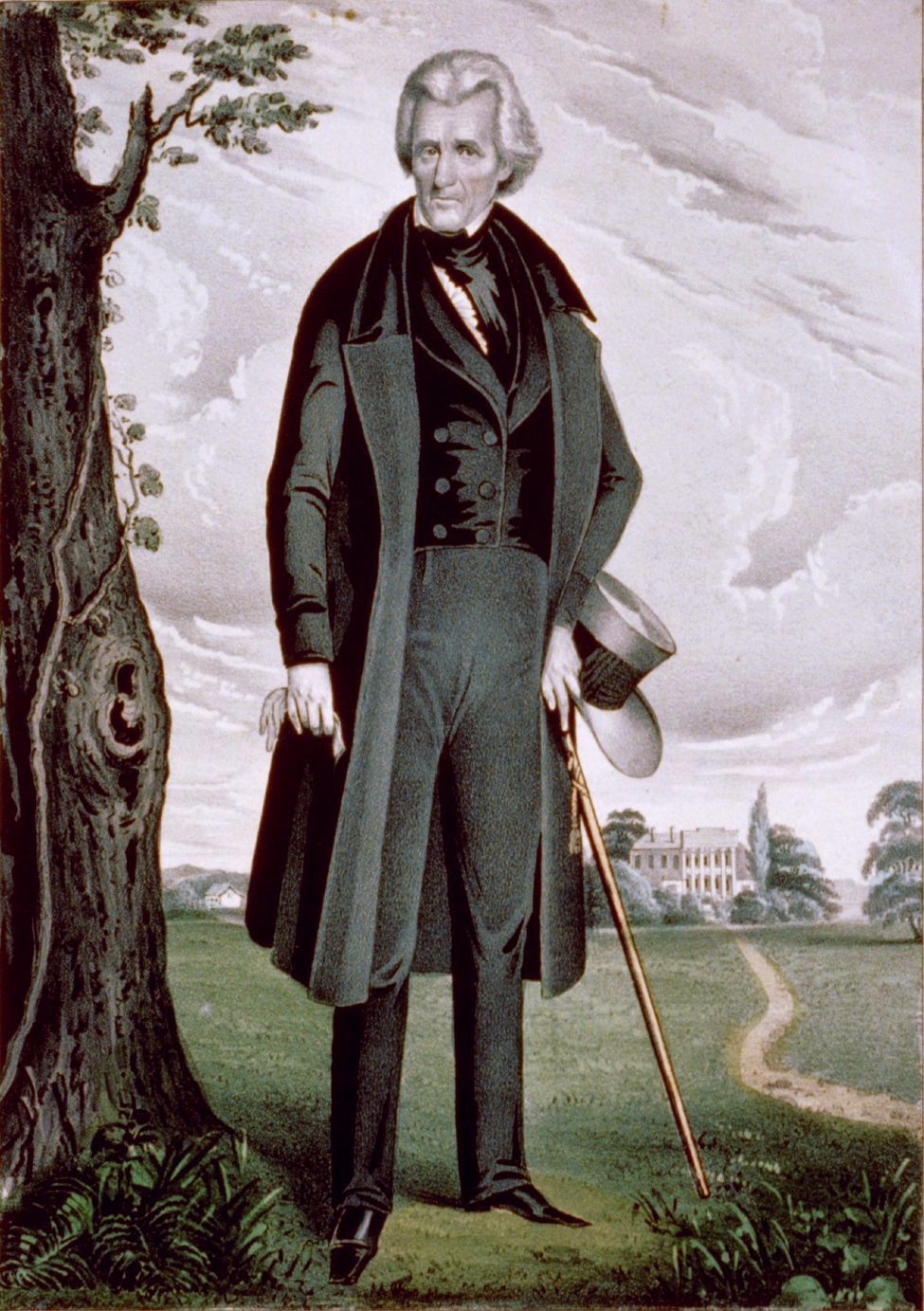
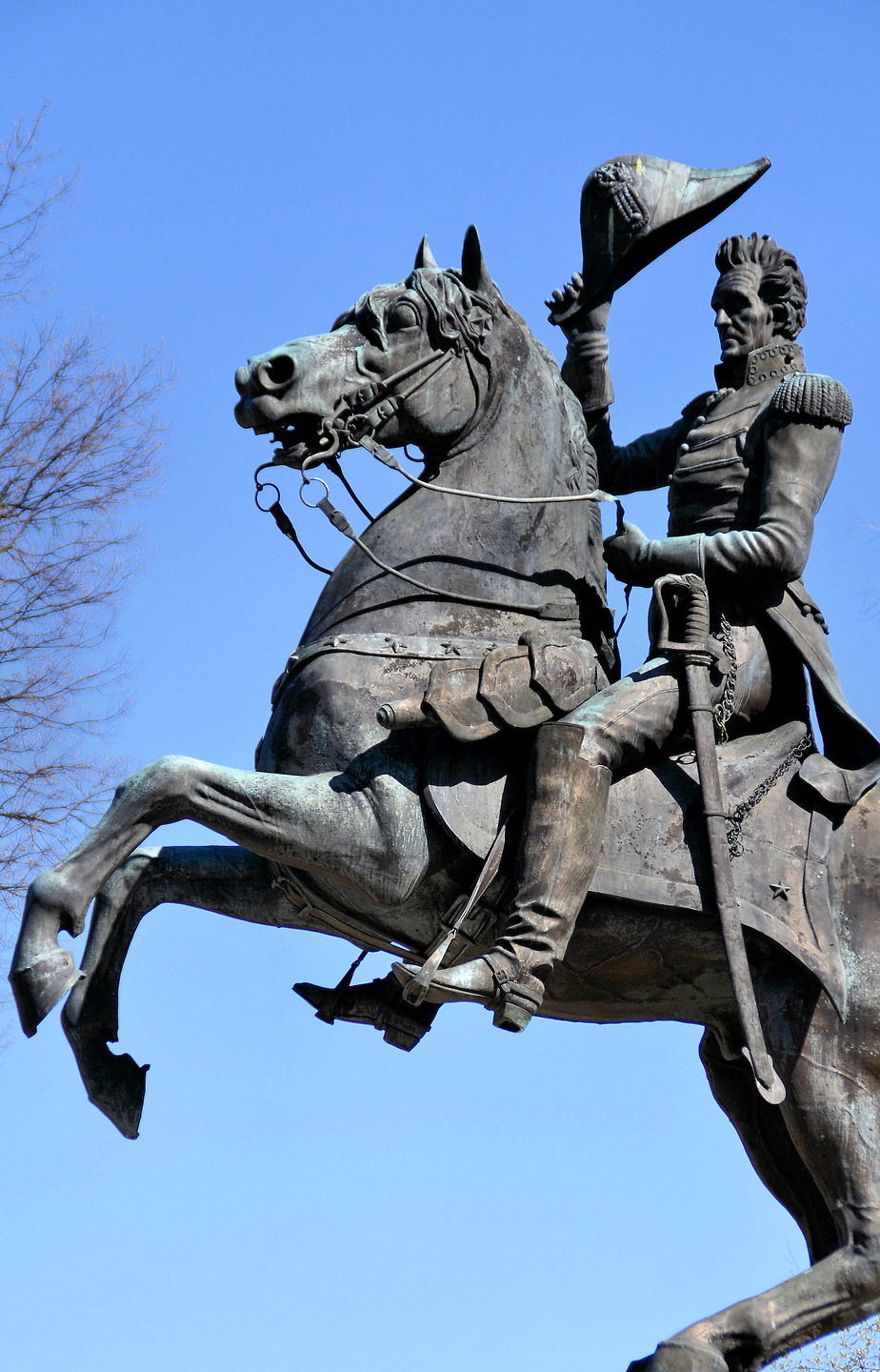
Once upon a time, most Americans would have hailed Andrew Jackson as a hero of the “common man.” More than any other single political figure, he represented the great expansion of democratic politic that occurred in the early 19th century, when white men who did not own property gained the right to vote and serve in office. This transformation was once considered the defining achievement of the United States – proof that here, unlike in the Old World, there were no fixed classes. Jackson became the standard-bearer of that ideal: the first common man to win the presidency, an unabashed champion of the rights and privileges of ambitious but not necessarily wellborn citizens. He also became a stand-in for a question that “haunts” the United States to this day: “How can a nation founded on the homelands of dispossessed Indigenous peoples be the world’s most exemplary democracy?” as my colleague Ned Blackhawk asked in his 2023 book, The Rediscovery of America.
The various views of Jackson reflect fierce differences about who matters in American history, and about how to make sense of the conflicts that nearly tore the nation apart.
As parable of resilience under adversity, Jackson’s early years still make for an amazing story. Born in 1767 along the border between the Carolinas, he was only thirteen when the Revolutionary War reached his hometown. He signed up to fight but soon ended up as a prisoner of war. While in captivity, Jackson refused to clean the boots of a British officer, who responded with a sword blow that permanently scarred Jackson’s face and hand. Both his brother and his mother died during the war, leaving him an orphan at age four-teen.
After a few years of wandering, Jackson decided to become a lawyer, but he never much liked office life. He preferred drinking and dueling, especially after he fell in love with and married an already married woman named Rachel Donelson Robards, thus precipitating a lifetime of controversy and scandal. He eventually concluded that the military was the best outlet for his energies, and