Authors:
Historic Era: Era 10: Contemporary United States (1968 to the present)
Historic Theme:
Subject:
November/December 2026 | Volume 71, Issue 5


Authors:
Historic Era: Era 10: Contemporary United States (1968 to the present)
Historic Theme:
Subject:
November/December 2026 | Volume 71, Issue 5


Angry words between Reagan and Gorbachev led to a dramatic turn in the Cold War forty years ago this month.
November/December 2026 | Volume 71, Issue 5
Editor’s Note: Ken Adelman served as the Director of the U.S. Arms Control and Disarmament Agency and attended the talks in Reykjavik as a key member of President Reagan’s small delegation. He is the author of The Brink of War: Inside the Reagan-Gorbachev Weekend that Changed the World.
By 1986, the Soviet Union and U.S. had a total of some 65,000 nuclear warheads. The arsenals included an extraordinary range of weapons from strategic arms such as intercontinental and submarine-launched ballistic missiles to artillery shells, atomic landmines and other tactical weapons.
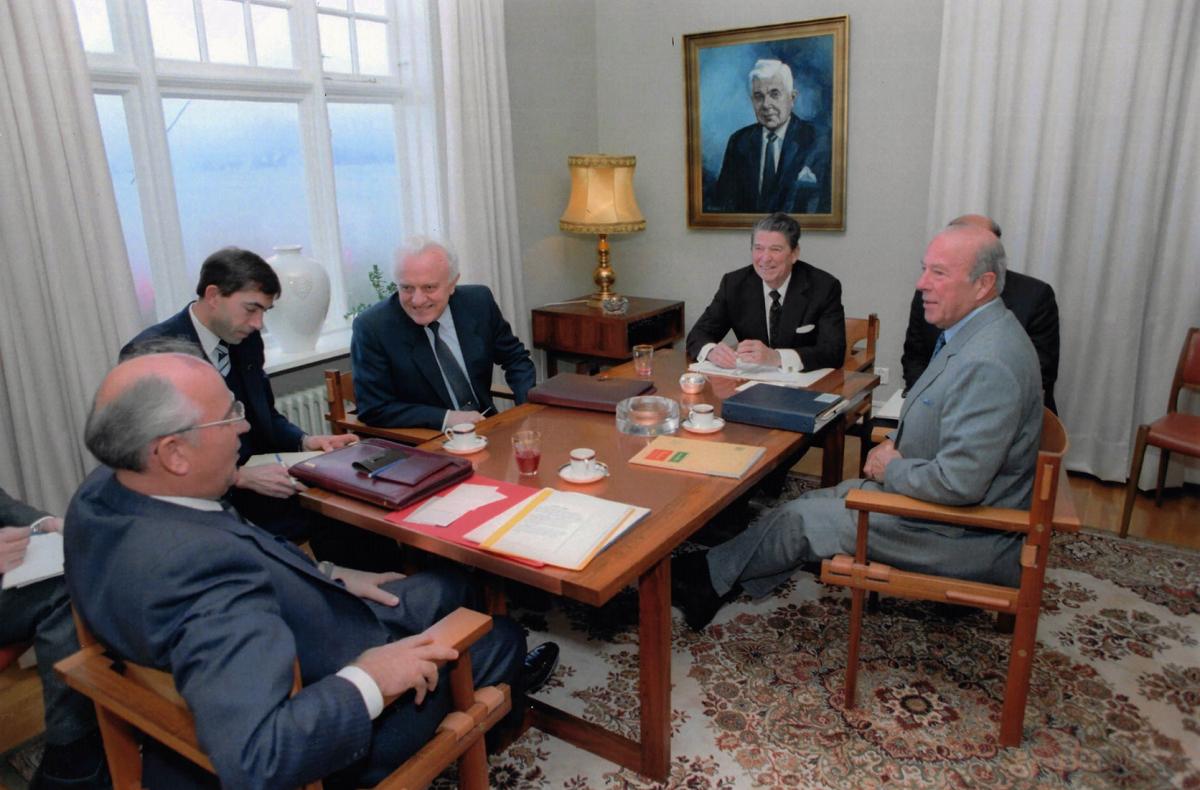
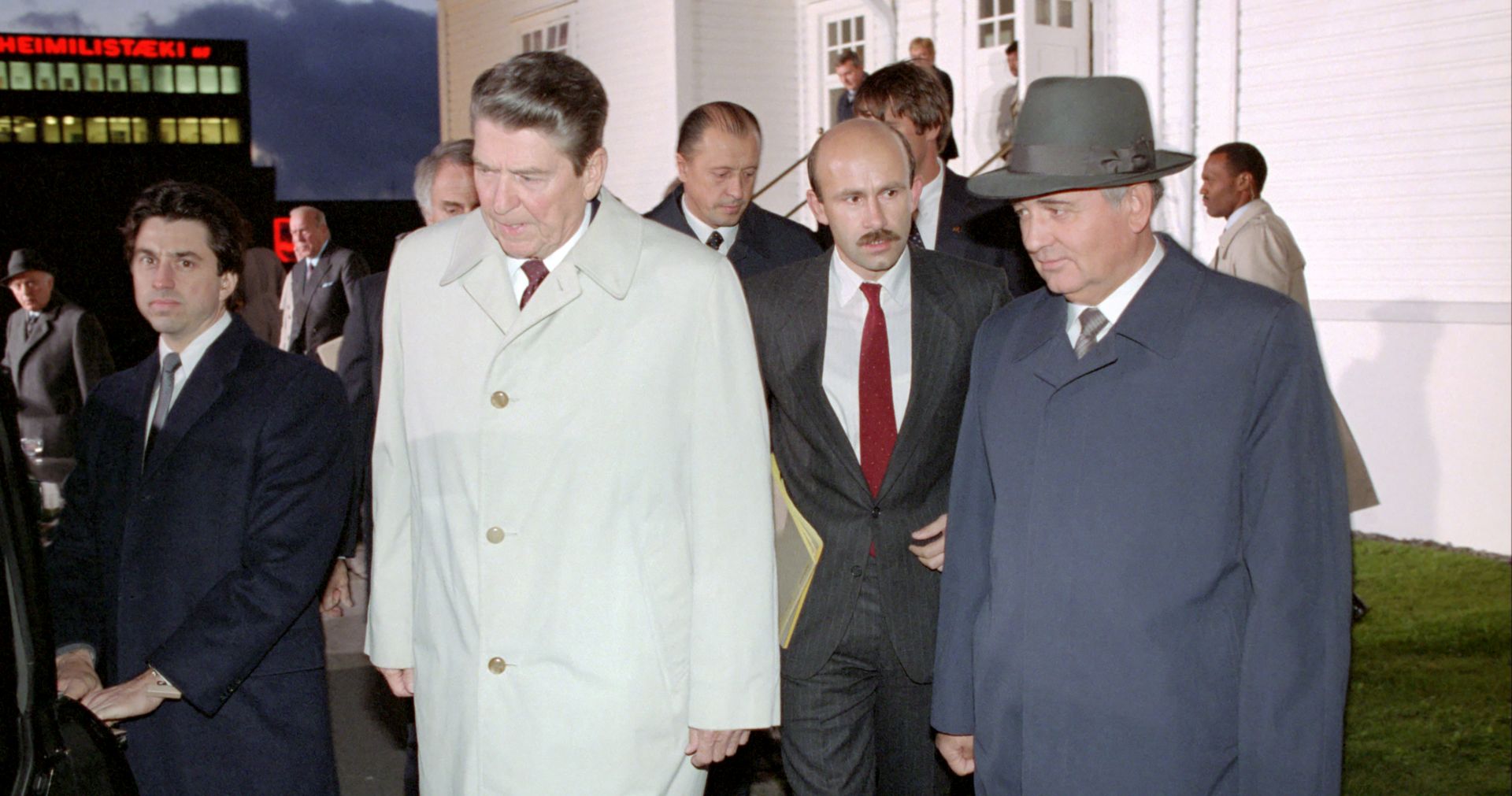
Despite President Ronald Reagan and Soviet leader Mikhail Gorbachev having met (each, for the first time) one year before – in Geneva, November 1985 – superpower tensions were still sky high in the Fall of 1986. The Cold War then was as chilly as Reykjavik was the eventful weekend of October 11–12, 1986.
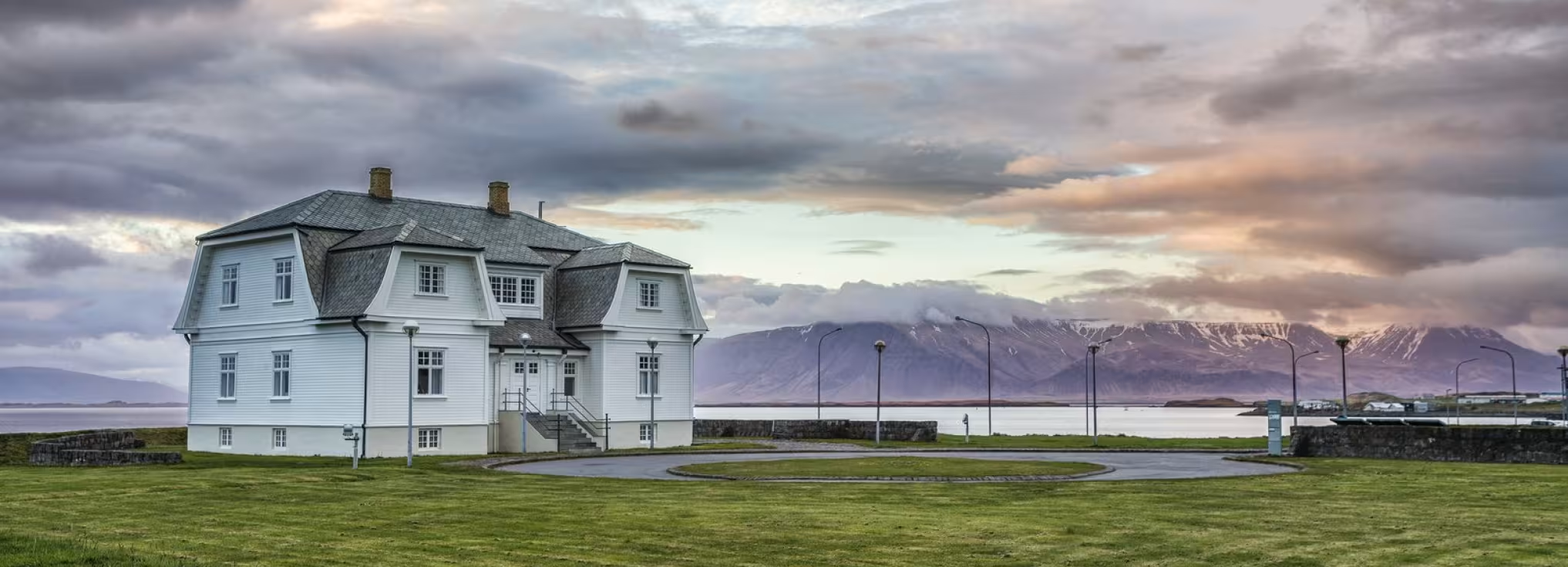
The threat that one side might launch a nuclear weapon, either deliberately or by accident, and thereby trigger a war of global annihilation, loomed large when Reagan and Gorbachev journeyed from afar to a desolate, windswept island near the Arctic Circle to meet, in that small home, with rain often lashing against its windowpanes. The President had already stated his mantra, repeated many times during the weekend, that a nuclear war could never be won and must never be fought.
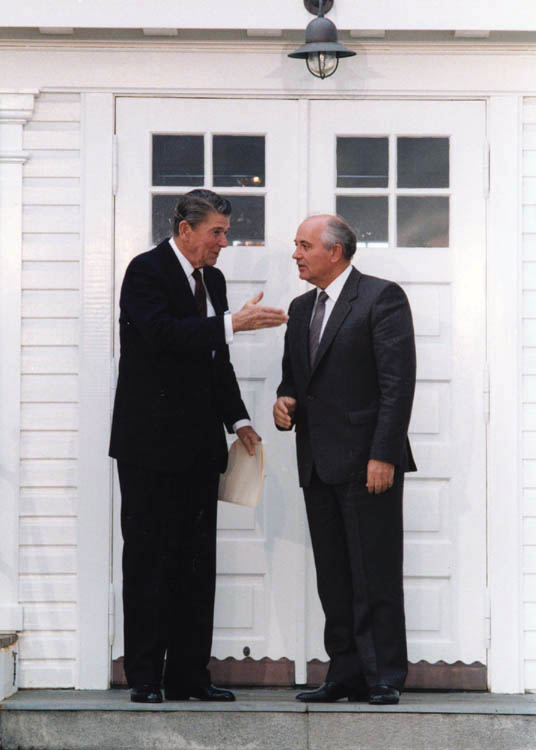
As aides to President Reagan, we expected the weekend to be a low-key, uneventful session to prepare for a “real summit” in Washington, DC the following year. What happened instead was an emotional roller coaster, full of twists and turns, highs and lows, with the future of nuclear weapons on the table and in the balance. NPR commentator Rod MacLeish deemed it among “the most amazing events in diplomatic history” while veteran Washington Post correspondent Don Oberdorfer called it “one of the most controversial — and bizarre — negotiations by powerful heads of state in modern times.”
To Gorbachev, it was filled with “wearying and grueling arguments” while Reagan said he left the island as Gorbachev was trying “to act jovial, but I acted mad and it showed.”
Unlike other summits — which are mostly scripted set pieces — the action at Reykjavik happened fast and off script. The meeting, which began as a surprise, then delivered surprise after surprise. We didn’t know what to expect