Authors:
Historic Era: Era 4: Expansion and Reform (1801-1861)
Historic Theme:
Subject:
November/December 2026 | Volume 71, Issue 5


Authors:
Historic Era: Era 4: Expansion and Reform (1801-1861)
Historic Theme:
Subject:
November/December 2026 | Volume 71, Issue 5


The author of “Rip Van Winkle” and “Sleepy Hollow” had a long and productive career, but nothing he wrote after them reached the heights of those classics.
November/December 2026 | Volume 71, Issue 5
Editor’s Note: A long-time book reviewer and columnist for the Washington Post, Jonathan Yardley won the Pulitzer Prize for Criticism in 1981. His numerous books include a biography of writer Ring Lardner and Second Reading, an anthology of essays in which Yardley looked at works by both well-known and underappreciated authors, where an earlier version of this essay appeared.
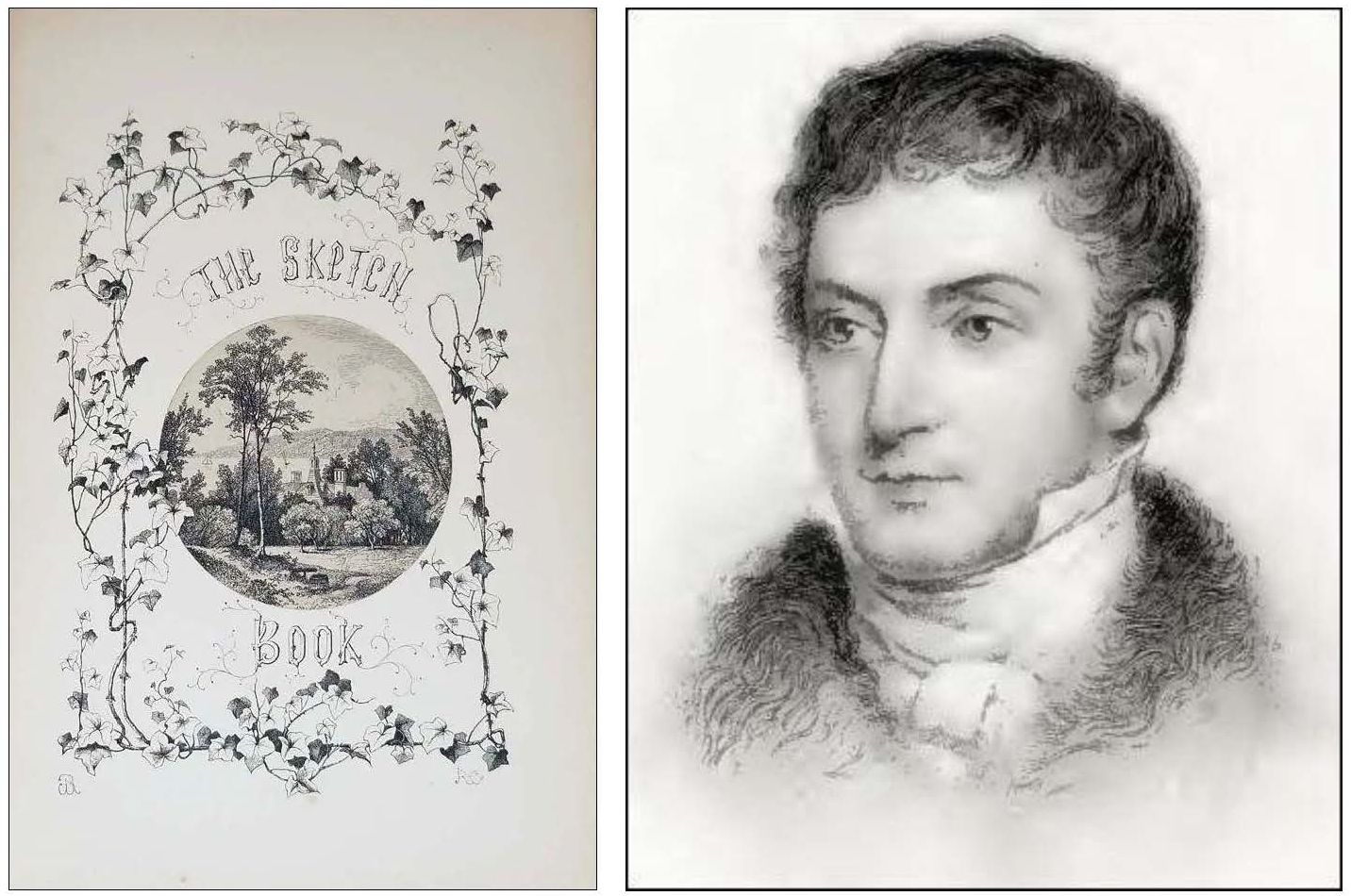
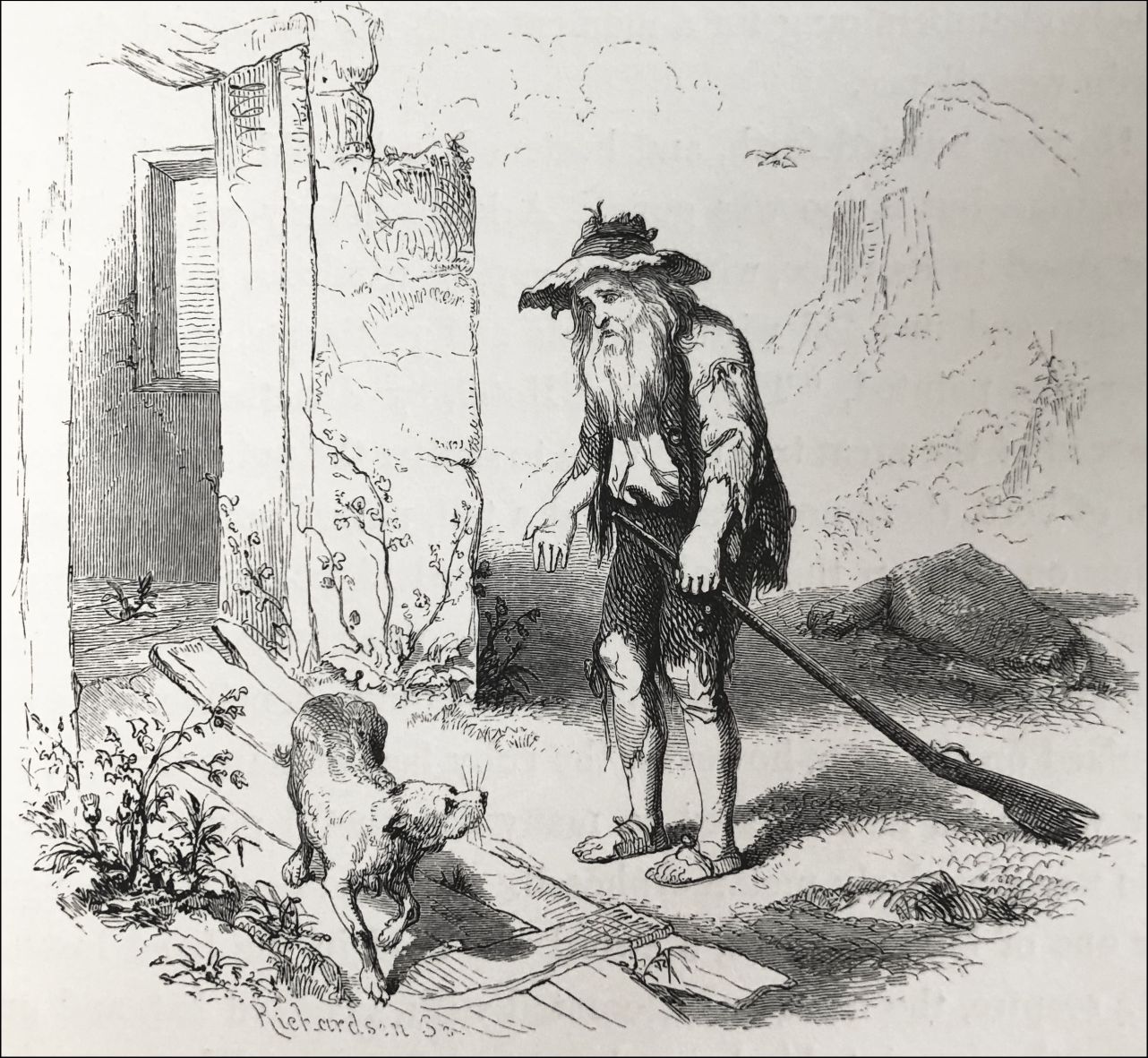
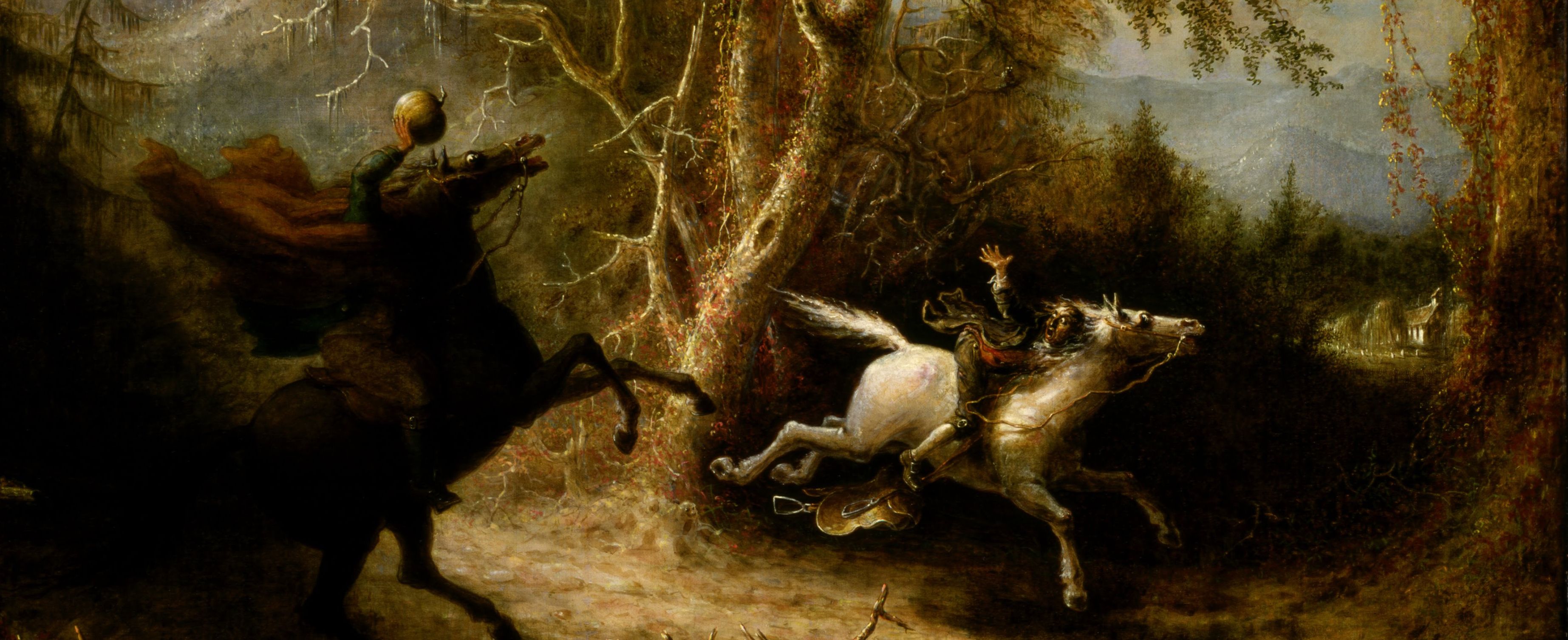
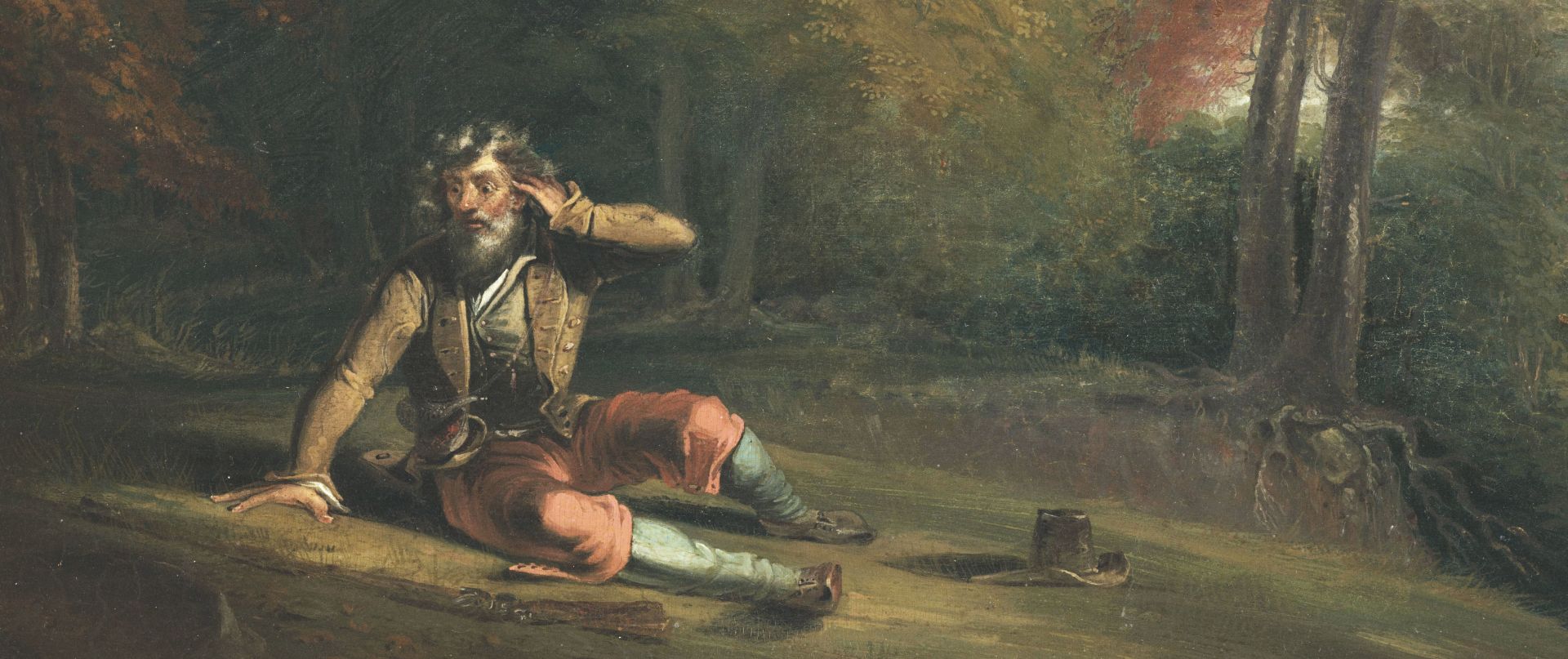
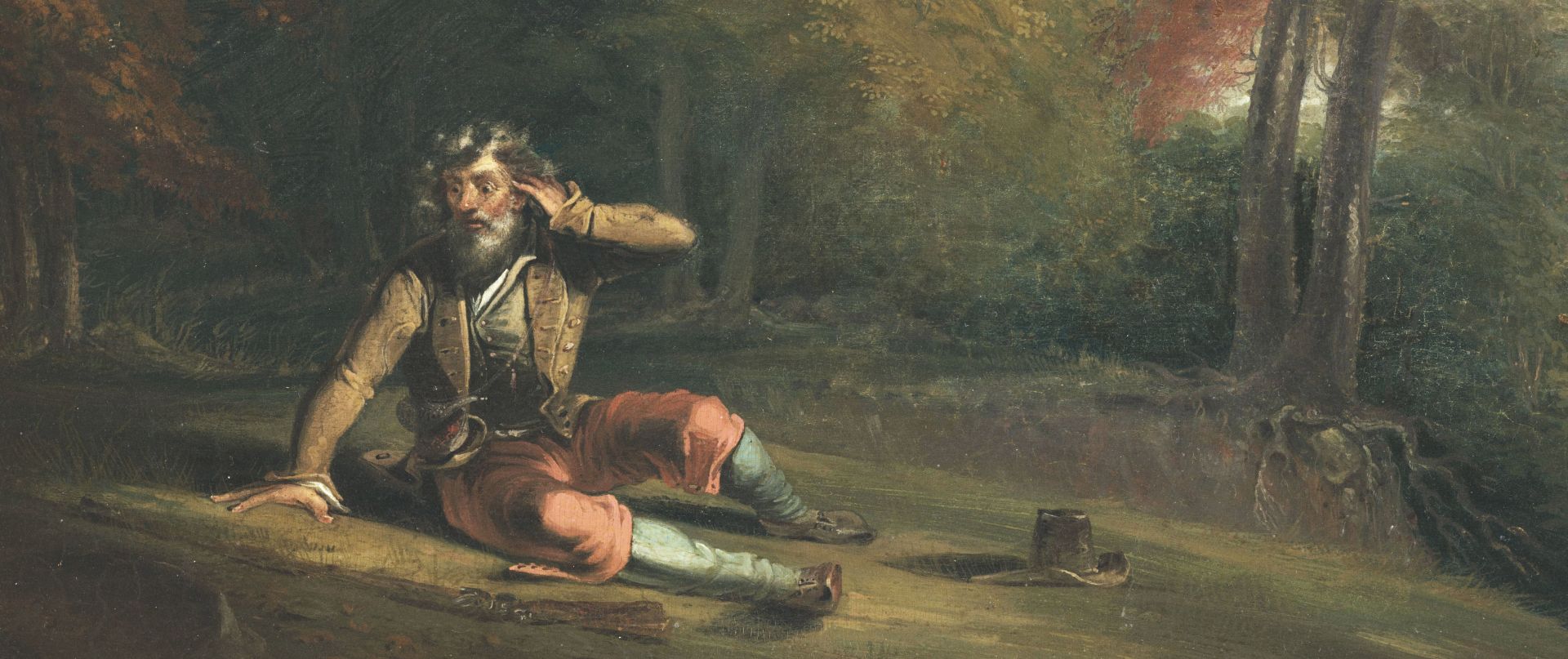
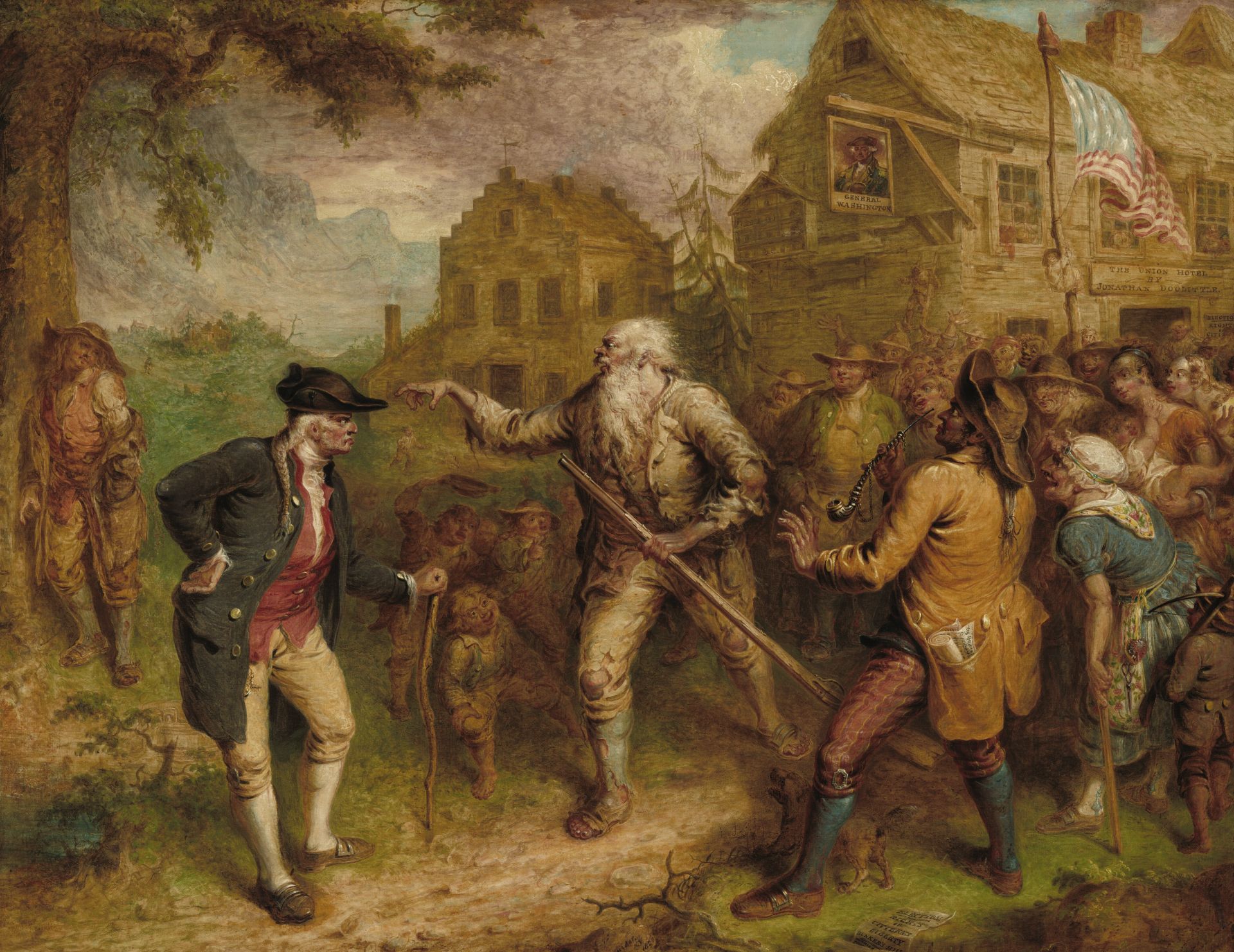
No book reaches more deeply back into my own past than Washington Irving’s The Legend of Sleepy Hollow, originally published in 1819 as The Sketch Book of Geoffrey Crayon, Gent. When I was a very small boy, my parents read to me about Rip Van Winkle and Ichabod Crane over and over again, and as a somewhat larger boy I read about them myself, over and over again. Their stories – Rip’s twenty year snooze, Ichabod’s encounter with the Headless Horseman – might as well have been bred in my bones, I know (and love) them so.
Re-reading The Sketch Book (as I’ll refer to it henceforth) after all that time has been an eye-opener, and then some. I realize now that, for all my powerful sense of intimacy with the book, I’d probably read only about a half-dozen of its nearly three dozen sketches, and probably read those – “Rip Van Winkle” and “Sleepy Hollow” – in versions that had been rewritten and edited for children. I realize as well that I’d had only a glimmering of what a splendid (if limited) writer Irving was, in particular what an ebullient humorist he was, so this was a discovery as well as a rediscovery.
When I was not quite three years old, in the late summer of 1942, my father took a headmaster’s job at a town in the Ramapo Mountains of southeastern