Authors:
Historic Era:
Historic Theme:
Subject:
November/December 2026 | Volume 71, Issue 5


Authors:
Historic Era:
Historic Theme:
Subject:
November/December 2026 | Volume 71, Issue 5


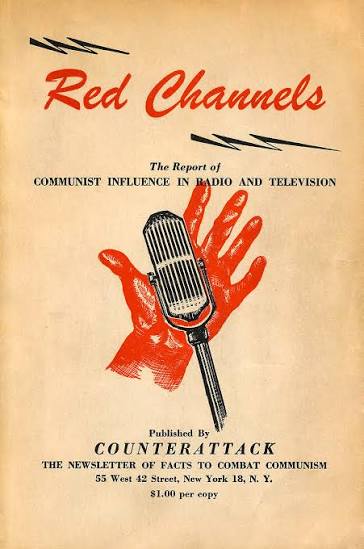
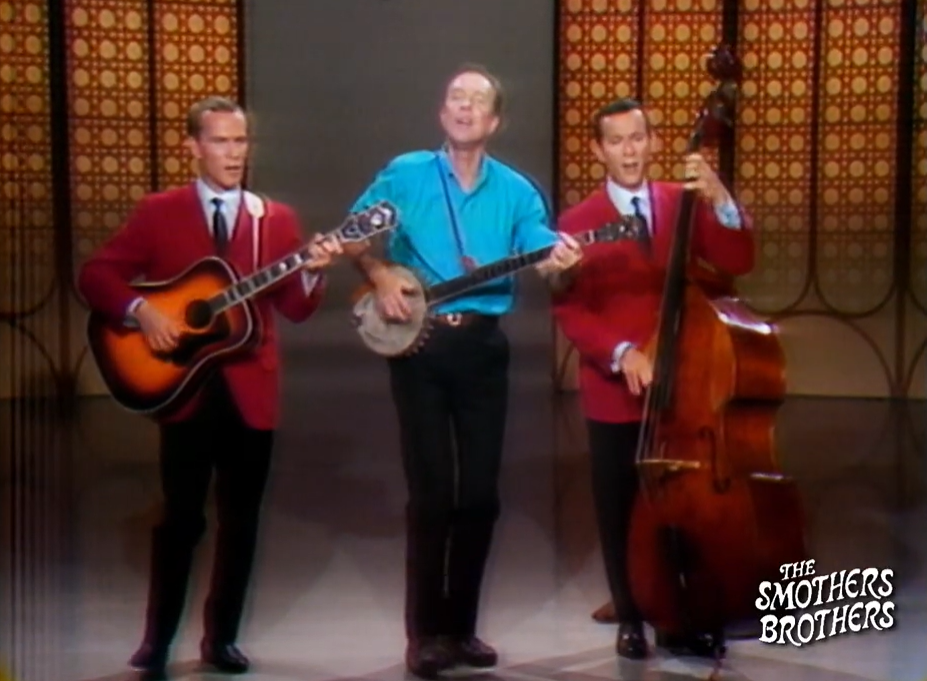
It is believed that more than 300 entertainers were blacklisted from television during the Red Scare, few of them longer than Seeger.
November/December 2026 | Volume 71, Issue 5
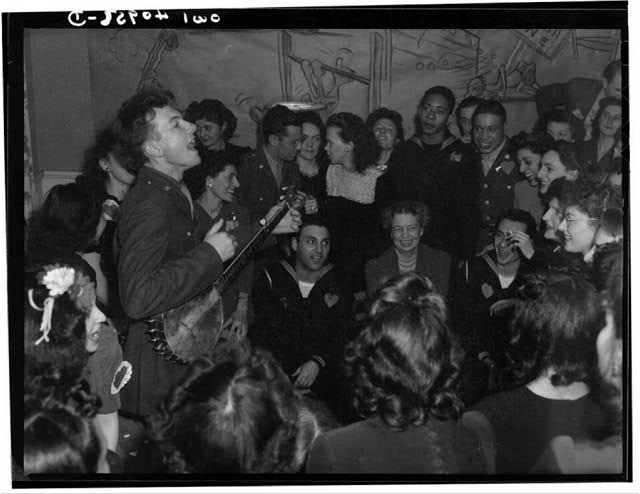
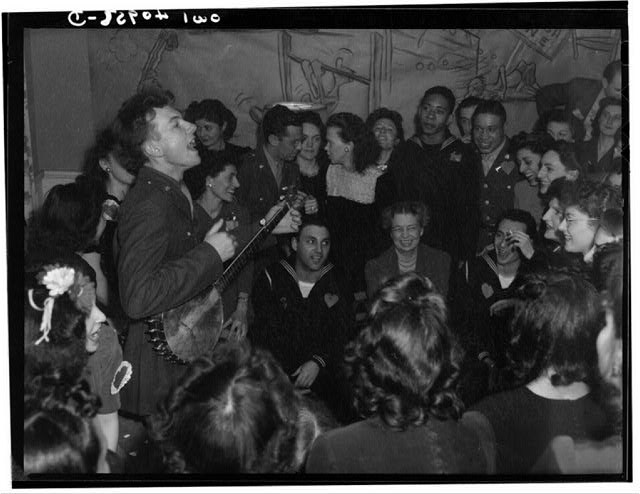
Army Private Pete Seeger felt a surge of disgust when he read that the California American Legion was pushing to deport all Japanese-Americans, even U.S. citizens. It was 1942, a time of intense wartime hatred of the Japanese, but Seeger thought the Legion was out of line and dashed off a protest letter. “(W)e're fighting precisely to free the world of such Hitlerism, such narrow jingoism,” he wrote. "America is great and strong as she is because we have so far been a haven to all oppressed.”
Seeger, who was training to be an airplane mechanic, made no attempt to hide who he was. In his letter, he identified himself as a soldier stationed at Keesler Field in Mississippi. The Legion quickly sent his letter to the FBI, which just as swiftly forwarded it to the Army. What ensued was a lengthy but puzzling Army investigation to decide if the 23-year-old Seeger was loyal enough to spin a wrench in defense of freedom.
The Army’s eventual findings stated the obvious. Taking away conjecture and insinuation, the Army found that Seeger had left-wing views and progressive friends, both of which he readily admitted and neither of which prevented him from serving honorably until the end of the war. Nearly a decade later, however, as the Red Scare gripped the nation and Seeger’s music topped the hit parade, the Army’s investigative file gained an unexpected second life, helping take Seeger off the air and making him one of the most enduring victims of the television blacklist of the 1950s.
The Depression had shaken the public’s faith in the nation’s political and economic systems, and many Americans explored radical ideologies. Some delved into pro-Nazi groups like the German American Bund. Others, like Seeger, were drawn to Communism. In the late 1930s, Seeger, a college student and aspiring musician, joined several left-wing organizations. After leaving college, he formed the Almanac Singers, a folk-music group that performed for labor unions and whose repertoire toed the Communist Party line. While Russia and Germany were allies, for example, the Almanacs sang isolationist anti-war songs, but the moment Hitler invaded Russia, they deftly pivoted to interventionist win-the-war tunes, like “Round, Round Hitler’s Grave.”

Once the United States entered the war, the Army had to decide what to do with soldiers with radical pasts because Selective