

Historical Documents

ERA 5: Civil War and Reconstruction (1850-1877)

ERA 5: Civil War and Reconstruction (1850-1877)

Metahistory & Historiography

ERA 8: The Great Depression and World War II (1929–1945)
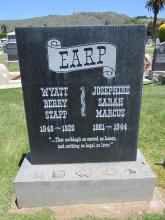
ERA 5: Civil War and Reconstruction (1850-1877)

ERA 4: Expansion and Reform (1801-1861)

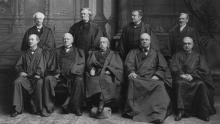
ERA 7: The Emergence of Modern America (1890–1930)

ERA 2: Colonialism and Settlement (1585–1763)

ERA 4: Expansion and Reform (1801-1861), ERA 5: Civil War and Reconstruction (1850-1877), ERA 6: The Development of the Industrial United States (1870-1900)

ERA 5: Civil War and Reconstruction (1850-1877)
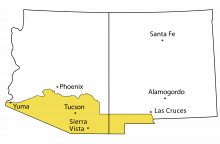
ERA 4: Expansion and Reform (1801-1861), ERA 5: Civil War and Reconstruction (1850-1877)

ERA 6: The Development of the Industrial United States (1870-1900), ERA 7: The Emergence of Modern America (1890–1930)

ERA 10: Contemporary United States (1968 to the present)
ERA 3: Revolution and the New Nation (1754–1820s), ERA 8: The Great Depression and World War II (1929–1945)

ERA 3: Revolution and the New Nation (1754–1820s), ERA 7: The Emergence of Modern America (1890–1930)
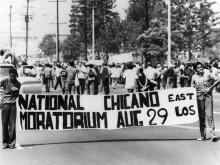
ERA 9: Postwar United States (1945 to early 1970's), ERA 10: Contemporary United States (1968 to the present)
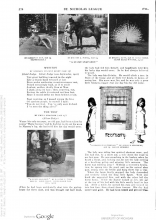
Multiple Eras, ERA 6: The Development of the Industrial United States (1870-1900), ERA 7: The Emergence of Modern America (1890–1930)
ERA 3: Revolution and the New Nation (1754–1820s)

ERA 1: Three Worlds Meet (Beginnings to 1620)
ERA 3: Revolution and the New Nation (1754–1820s), ERA 10: Contemporary United States (1968 to the present)

ERA 4: Expansion and Reform (1801-1861), ERA 6: The Development of the Industrial United States (1870-1900)

ERA 2: Colonialism and Settlement (1585–1763)
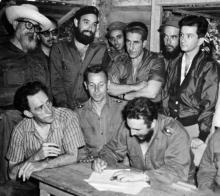
ERA 9: Postwar United States (1945 to early 1970's)
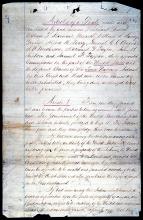
ERA 5: Civil War and Reconstruction (1850-1877)

ERA 9: Postwar United States (1945 to early 1970's), ERA 10: Contemporary United States (1968 to the present)
ERA 9: Postwar United States (1945 to early 1970's)

ERA 3: Revolution and the New Nation (1754–1820s)
ERA 9: Postwar United States (1945 to early 1970's)

ERA 8: The Great Depression and World War II (1929–1945)
ERA 4: Expansion and Reform (1801-1861)
ERA 5: Civil War and Reconstruction (1850-1877)
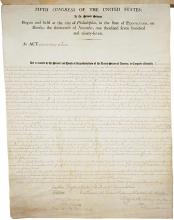
ERA 3: Revolution and the New Nation (1754–1820s)
ERA 7: The Emergence of Modern America (1890–1930)
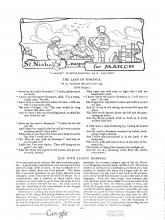
ERA 6: The Development of the Industrial United States (1870-1900), ERA 7: The Emergence of Modern America (1890–1930), ERA 8: The Great Depression and World War II (1929–1945), ERA 9: Postwar United States (1945 to early 1970's), ERA 10: Contemporary United States (1968 to the present), Multiple Eras

ERA 10: Contemporary United States (1968 to the present)

ERA 10: Contemporary United States (1968 to the present)
ERA 7: The Emergence of Modern America (1890–1930)

ERA 3: Revolution and the New Nation (1754–1820s)

ERA 8: The Great Depression and World War II (1929–1945)
ERA 10: Contemporary United States (1968 to the present)

ERA 3: Revolution and the New Nation (1754–1820s), ERA 4: Expansion and Reform (1801-1861), ERA 5: Civil War and Reconstruction (1850-1877), ERA 6: The Development of the Industrial United States (1870-1900)

ERA 2: Colonialism and Settlement (1585–1763)
ERA 3: Revolution and the New Nation (1754–1820s), ERA 10: Contemporary United States (1968 to the present)
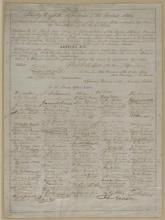
ERA 5: Civil War and Reconstruction (1850-1877)

ERA 7: The Emergence of Modern America (1890–1930)
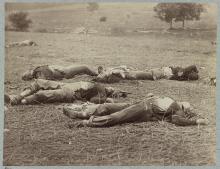
ERA 5: Civil War and Reconstruction (1850-1877)
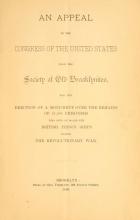
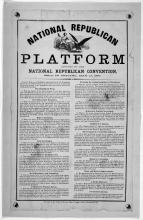
ERA 5: Civil War and Reconstruction (1850-1877)
ERA 8: The Great Depression and World War II (1929–1945)